


Soil Erosion: Definition and How to Control River Erosion
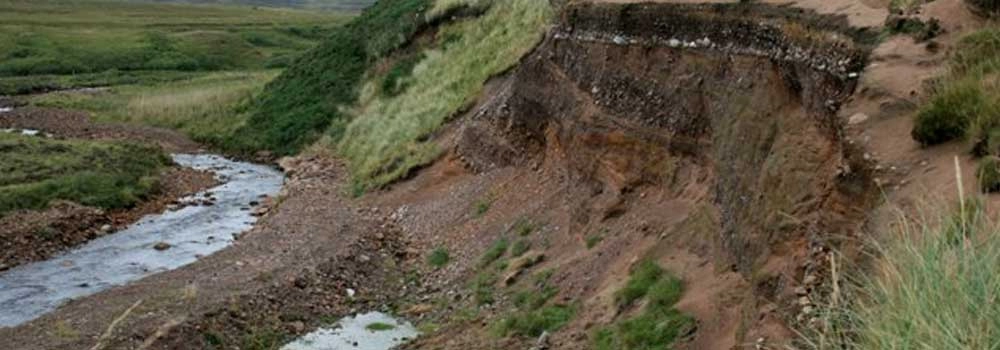
Erosion is the wearing away of the soil surface, rock material or sediment caused by wind, water or snow and ice. The phenomenon can also be described as the movement of material from one place to another, for example from a mountain or hilltop to the nearest lowland downstream. Knowing how it works is the first step to control river erosion.
Erosion does not only happen on land; it can also occur along rivers. This is known as river erosion. So how does riverbank erosion happen, and how can it be prevented so that it does not damage the surrounding environment?
What Is River Erosion?
Erosion is a natural process. However, it can also be described as a natural process that is triggered by human activity. That means several preventive measures can be taken. Before discussing them, it helps to first understand the types of river erosion.
Read Also: Erosion Control Blankets
River erosion is divided into two categories: bed erosion and bank erosion. Bed erosion can make the river deeper than it was before, while bank erosion widens the river’s edges. Both types still follow the same erosion process.
How River Erosion Happens
Erosion by river water takes place in three stages: the shifting of regolith, the scouring of soil and headward erosion. Here is the full process.
1. Shifting of loose soil material (regolith)
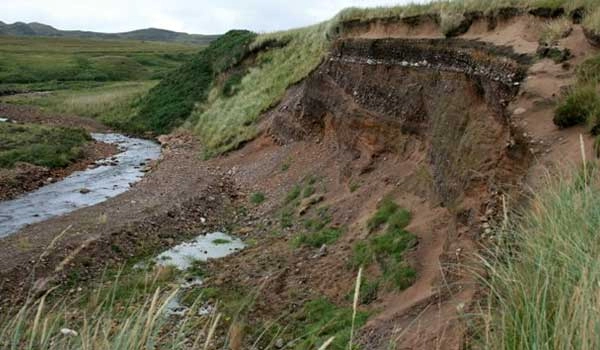
The first stage of river erosion is the shifting of regolith, the loose soil material that lies on top of solid rock. It is a process in which rock debris moves. If this movement breaks the material up easily, it is automatically carried away by the river flow.
Soil erosion and how to control it
2. Riverbed scouring
Scouring usually occurs as riverbed erosion. It can be seen at waterfalls, where the high water pressure can create strong turbulence at the bottom of the river. This process not only causes erosion but can also cause abrasion that makes the waterfall retreat upstream.

Soil erosion and how to control it
3. Headward erosion
The next process is erosion at the head of the river. It happens when the discharge and velocity of the water increase, creating pressure that pushes back against the upstream wall. Eventually the upstream area becomes wider, because the returning river water strikes that part and its volume and speed increase.
How to Prevent and Control River Erosion
Although river erosion is usually regarded as a natural event, it can in fact also be influenced by human behavior. The following preventive or control measures can be taken so that erosion by river water does not happen again:
1. Reforestation
The first way to deal with erosion is reforestation, replanting trees or vegetation around the river. Although it takes quite a long time for the trees to grow, this method is very effective at increasing water infiltration capacity, so that soil and rock on the bank surface are not easily carried away by wind and water.
2. Geocell for Riverbank Reinforcement
Geocell is a geosynthetic material made of HDPE (High Density Polyethylene) with an interlocking hexagonal structure that looks like a honeycomb once installed. Geocell is now widely used in many infrastructure projects as a technology for protecting and reinforcing banks and slopes. One of its applications is as an engineered solution for protecting and reinforcing riverbanks.
Read Also: Prevent slope erosion with Geocell
Here is how geocell is applied to protect riverbanks: geocell material can be installed on riverbanks that are frequently affected by and prone to erosion or landslides. Research into and application of geocell have been carried out by civil engineering experts.
3. Using Geobags (Geotextile Bags)
Another way to deal with erosion is to use geobags, textile bags filled with sand that hold the soil and rock surface in place against river erosion. Geotextile bags are stacked in rows like blocks, giving an accordion-like shape. This makes their strength quite reliable.
Other Articles
Geotextile Separator or Stabilizer for Road Construction
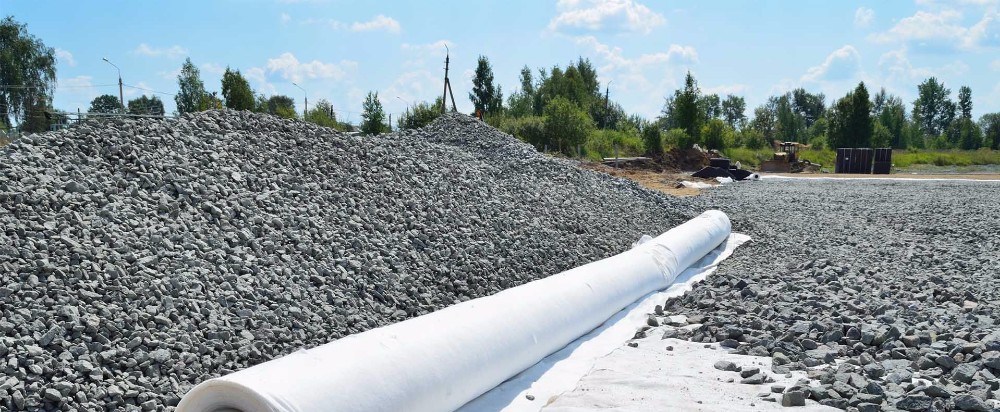
Geotextile has been widely applied in road construction to make construction costs more economical. Used as a geotextile separator or stabilizer, it can reduce aggregate thickness and extend the service life of the road. A single layer of geotextile can typically save 1/3 of the aggregate base thickness for roads on soft to medium subgrade […]

Geotextile Manufacturing Process in the Factory
Non-woven and woven geotextiles are the most widely and frequently used geosynthetic products in construction. Geotextile can be used for reinforcement, filtration, stabilisation and separation. So what does the geotextile manufacturing process look like? Polyester and polypropylene are the main raw materials used to make geotextile products; non-woven geotextile and woven geotextile basically use the […]

How to Increase Salt Pond Yield with HDPE Geomembrane
One of the largest salt-producing regions in Indonesia lies along the coast of Java, particularly in East Java province. Its long dry seasons make the region well suited to salt production, and farmers are always looking for ways to increase salt pond yield. Conventional methods produce very low yields. Salt farmers channel seawater into holding […]