


Types of Soil Structure, Soil Problems and Solutions
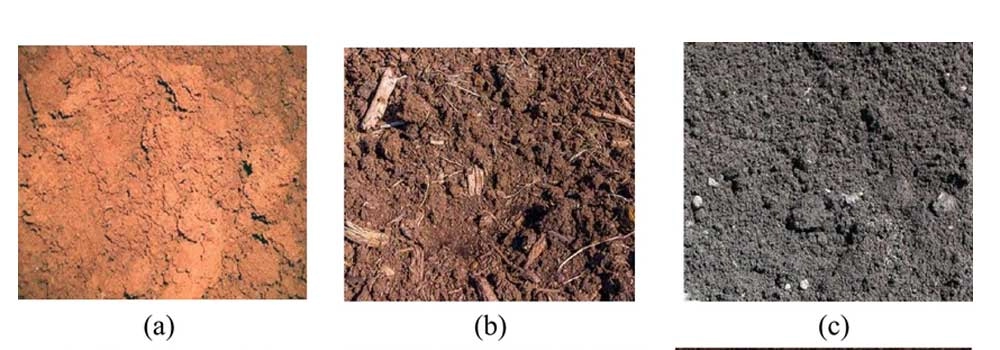
Before building any infrastructure, the work team usually starts with a survey of the site where the construction will take place. The survey team looks at road conditions, water sources and soil structure. This check is done to identify the soil type and texture, the types of soil structure present and any problems that may arise from soil conditions.
It is common to find soil structure that is not strong enough and is therefore prone to landslides or subsidence. When building near water, the ground is often still saturated and may even form swamps. The question is how to find solutions to these problems, and what can be used to support poor soil conditions during construction?
What Is Soil Structure?
Several experts have defined soil structure. Hardjowigeno, for example, states that soil structure is a physical property of soil that shows the condition of soil particles. These particles are bound to one another and form aggregates as a result of pedogenesis. Another expert, Bambang Utoyo, describes soil structure as the arrangement of soil clods into a particular shape.
Drawing on these experts, soil structure can be defined as the arrangement of soil clods that combine into a particular pattern as a result of natural change or human activity.
This is why soil structure should be studied before building any structure. The study shows the problems that may arise during construction. It also extends to the effects of the infrastructure on the soil structure and the surrounding environment, because more and more construction and infrastructure is being built in areas with important environmental functions, such as water infiltration zones or buffer zones (areas surrounding a particular natural feature).
Development in these areas can have a major impact on the environment and the people who live there. That is why in-depth research is needed to determine whether construction can go ahead in the area and what side effects the infrastructure may cause once it is built.
Every development in an area can have a wide impact, especially on the environment and its residents. In-depth research is therefore needed to find out whether construction is possible in the area and what side effects the infrastructure may have after it is built.
Benefits of Knowing the Soil Structure
Soil structure research plays its own role before construction begins. The first benefit is knowing which activities can be carried out at the site. For example, gravelly soil with a clay structure is usually not ideal for building a property, and the foundation normally has to be adapted.
Weak soil structure cannot support a building because it is prone to landslides. This kind of soil structure is often found in mountainous areas, where the ground tends to be saturated with water and cannot resist large gravitational forces. Even a single rain of moderate intensity can put the soil at risk of sliding within a short time.
In this case the soil has to be excavated and backfilled with stronger soil material so it can support the building. This type of soil structure is better suited to water or irrigation uses, because the soil already contains water, which makes digging and channeling easier. This is one reason plantations of various commodities are located on mountains: irrigation is easy and the climate is favorable.
Soil structure research is also carried out when clearing land for agriculture or plantations. Soil rich in beneficial organisms, such as earthworms, is an excellent place for these activities. The organisms loosen the soil naturally, and the soil contains nutrients and proteins that are very beneficial for the crops planted.
Soil structure research is also very useful for those studying climate change in a region. It helps them prevent natural disasters that could affect nearby areas and the living things at the location.
What Changes Soil Structure?
Several conditions can affect or change soil structure, from changes in color to changes in soil texture. Here are the causes:
Soil-forming material
Every type of soil has different characteristics, from color, texture and content to structure, depending on the material it is formed from. For example, soil derived from rock tends to be red, whereas soil full of material such as sand and stones has a lighter color.
Weather and climate change
Weather and climate also influence soil structure. These changes affect what living things in the surrounding environment can do and how new soil forms.
Soil in wet areas or areas with frequent rain tends to be soft and muddy because it holds a lot of water. Such locations are also easily flooded with large volumes of water and can become a gathering place for amphibians or fish.
Soil in mountainous areas, by contrast, is well suited to farming and gardening because of the cool climate and protein-rich soil. That is why tall trees are seen everywhere in the mountains. On the other hand, soil in hot climates looks more barren and cracked because it contains very little water.
Number of organisms
The number of organisms in the soil can also affect the condition of its structure. Acids produced by microorganisms can change the soil composition, which affects how the soil forms. Microbes, for example, break down organic matter and return decomposition products, while animal and insect droppings add organic matter to the soil that improves its fertility.
Soil structure can also change because of animals living underground, such as rats or worms. Their presence makes the soil easier for air and water to penetrate, which can change its physical form.
Surface landform
The topography of an area can also affect soil structure. Landform factors such as slope and position can change how soil forms. For example, soil in mountains or highlands has very good natural drainage, because the sloping or steep contour helps water flow away faster.
Types of Soil Structure
Because soil forms through many different processes, soil structure also comes in different types. Here is an explanation of each:
1. Prismatic
Prismatic soil structure has short horizontal axes and a shape that is not rounded.
2. Subangular and angular blocky
This soil structure consists of rounded soil clods. As with the subangular blocky structure, soil with this structure also forms clods, but the outer edges are sharper.
3. Crumb soil structure
This type is found in areas with low rainfall. It is dry, and its soil clods are porous.
4. Columnar soil structure
This soil structure has higher horizontal axes, so it looks wider and tends to be rounded.
5. Granular soil structure
Granular soil structure can be recognized by its rounded shape with non-porous sides. This soil is not too dry and holds a little water, so it can still be planted.
6. Platy soil structure
This soil structure has longer horizontal axes and a flat, thin shape like a plate.
Other Articles

Geogrid for Soil Reinforcement and Stabilization
Geogrid is a geosynthetic product with a regular grid structure that can be connected to other geogrids. Because its apertures are larger than 6.35 mm, the soil, the geogrid and the surrounding stone can interlock, making geogrid soil reinforcement highly effective. Geogrid is a material used for reinforcement, for example of slopes, road embankments and […]

Choosing Geosynthetics for Slope Protection
Slopes are very common in geotechnical construction. Slopes need reinforcement and protection, because there is always a risk of landslides caused by erosion on the slope. To prevent landslides and reduce erosion, geosynthetics for slope protection can be used to reinforce and protect the slope surface. This time we will discuss the geosynthetic products that […]

Geomembrane Seaming Methods for HDPE and PVC
Geomembrane seaming must follow the Indonesian national standard regulations (Bina Marga SKh 1.3.8). The seaming rules include: The geomembrane must be overlapped by at least 14 cm HDPE geomembrane can be joined with 2 types of seam: A. Dual Track Hot Wedge for straight seams Read Also Geomembrane Sizes and Specifications B. Extrusion Fillet Seam […]