


What Is Geotextile? Definition, Functions and Types

If you work in construction, you are surely familiar with the term geotextile. But what is geotextile exactly? This type of geosynthetic product is often used in construction because it performs important functions such as separation, filtration and reinforcement.
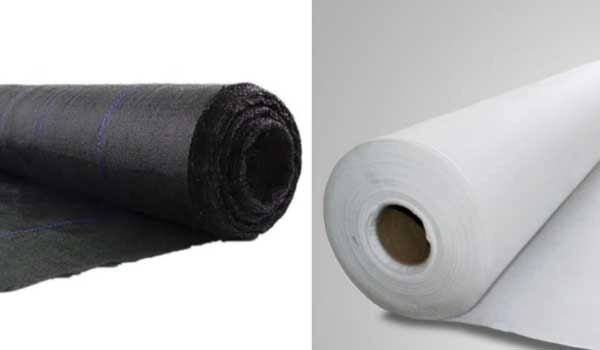
This material is often chosen for a wide range of construction needs because it is practical, effective, durable and economical. Geotextile products have many advantages. To get to know their types and functions better, read the explanation below.
What Is Geotextile?
Geotextile was originally designed around 1953 specifically to protect land areas from flooding. The Netherlands was one of the countries that consistently used geotextile to anticipate floods.
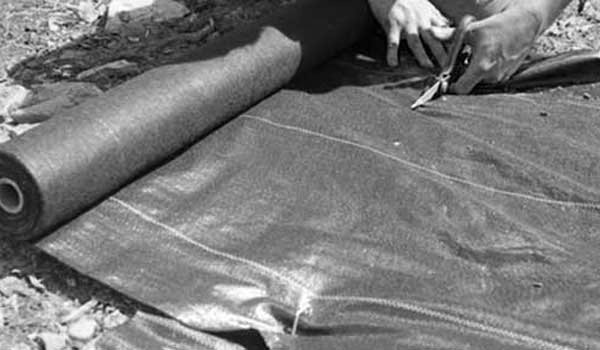
In the 1960s, geotextile began to be mass-produced, and today it is known as a material widely used in construction. As mentioned at the start, geotextile is a type of geosynthetic that resembles fabric or textile.
This lining material consists of synthetic yarns that are either woven or non-woven. Geotextile can therefore be divided into two types: woven geotextile and non-woven geotextile.
Functions of Geotextile
Geotextile has many functions and plays an important role in supporting construction and civil engineering work. Here are some geotextile functions you should know:
1. Filtration
Thanks to its fairly high permeability, geotextile lets liquids flow through it. The flowing water is filtered without relying on a soil medium, so the water passes through while the soil particles stay behind and are not carried away.
2. Separation
Another function is separation, which effectively prevents soft soil from mixing with the pavement layer above it. This function can be seen in road construction on soft subgrades that tend to move.
With geotextile in place, soft soil is prevented from rising to the surface, so it does not mix with the pavement material.
3. Stabilization
Geotextile also acts as a stabilizer, which is related to the previous function. With the material’s strong tensile capacity, loads above it are distributed evenly. This increases soil strength during backfilling.
Types of Geotextile
There are at least two types of geotextile known in construction: woven and non-woven. Here is the explanation:
● Woven Geotextile
Woven geotextile is a synthetic fabric made of polypropylene polymer (PP), and some types use polyester (PET). It takes the form of woven sheets. The material is UV resistant and has high tensile strength in line with ASTM standards.
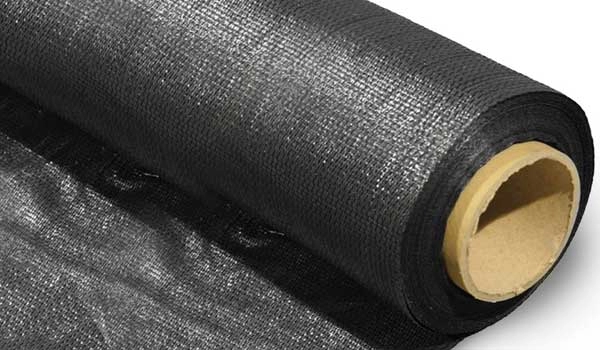
Woven geotextile functions include reinforcement, making it effective for protecting slopes and banks from erosion or landslides. It can also act as a filter that lets water flow without obstruction.
● Non-Woven Geotextile
This material is also known as filter fabric. It comes in sheets, but instead of weaving, it is made with needle punching and heat bonding. The raw materials are much the same: PP and PET.
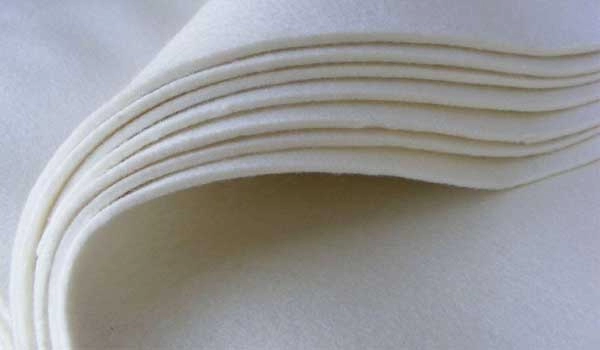
Non-woven geotextile functions as a separator that keeps two types of material from mixing. It is also often used as a filter in drainage systems because of its fairly high permeability.
Geotextile is a geosynthetic material widely used for soil reinforcement to protect against erosion, as well as for filtration and separation. You can get quality geotextile products for your construction needs at https://petrane.co.id/.
Other Articles


HDPE Geomembrane Standards for Aquaculture
The types of geomembrane commonly used for ponds are HDPE (High Density Polyethylene) and LLDPE (Linear Low Density Polyethylene) geomembranes. An HDPE geomembrane for aquaculture is a sheet made from high-density polyethylene plastic with a flexible and waterproof structure. HDPE geomembrane used in aquaculture helps reduce the build-up of organic material on the pond bottom. […]

Roof Garden: A Cool, Attractive Urban Home Solution
Hello, Petra friends! Have you ever felt that city weather has become hotter and more oppressive lately? Green space is increasingly scarce, while concrete buildings keep multiplying. If you have a home with limited land but still want to enjoy a lush garden, a roof garden is the answer! It is not only a trend […]