


Effective Mine Waste Management Methods

Mine waste management is a duty and responsibility of the mining industry that requires serious attention so its impacts on the environment and communities can be minimized. This effort is not merely about regulatory compliance but also the industry’s own social responsibility.
The Importance of Mine Waste Management for Responsible Mining

As demand for mineral resources increases, a primary challenge for the mining industry is managing the resulting waste. Mine waste such as tailings, solid waste, and liquid waste has great potential to pollute the environment if handled incorrectly. This issue must therefore be a priority for everyone involved.
Mine waste management focuses not only on preventing pollution but also on using waste that can be recycled or reprocessed into useful products. Successful mine waste management improves a company’s image while ensuring economic and environmental interests remain balanced.
Besides environmental concerns, mine waste management is important to the health of communities near mining sites. Improperly treated waste can pollute soil, water, and air, ultimately affecting human health directly. Proper management can minimize these risks and preserve community quality of life.
Environmentally Friendly Mine Waste Management Strategies

Effective mine waste management requires technical expertise and an understanding of modern technologies and methods developed to address this challenge.
A primary strategy is implementing an integrated waste-management system covering waste storage, treatment, and recycling. This method aims to minimize waste volumes and reuse material that retains economic value.
Environmentally friendly technologies, such as tailings treatment using bioremediation and geotextiles, can also reduce harmful environmental impacts. Developing waste-treatment facilities that meet international standards is essential so management results are genuinely effective and reliable.
Modern mining methods such as automated drilling and conveyor systems also help reduce residual waste while improving operational efficiency. Applying the 3R principles (Reduce, Reuse, Recycle) is essential in this context.
Effective Tailings-Waste Treatment Technology

Tailings are solid waste from mineral processing and commonly contain substances hazardous to the environment. They must be managed with advanced technologies that meet international standards to avoid polluting surrounding soil and water.
A modern solution is tailings dewatering, which uses sedimentation and filtration to separate hazardous particles from water. This technology produces safer waste and recovered water that can be reused in mining processes.
Another developing innovation uses tailings as building materials or as raw material for valuable construction products. This approach reduces the waste volume requiring management while delivering major economic benefits. Tailings are then treated not as waste but as a potential resource.
Environmentally friendly tailings treatment technology must be combined with strict oversight to ensure processes operate optimally and comply with regulations. Each technology has unique characteristics and must suit the environmental conditions and type of mineral being processed.
Mine Waste Management Standards

A sound handling standard is the principal foundation for ensuring every mine waste management process follows applicable requirements. The Indonesian government has issued various mining-waste regulations, although implementation still requires improvement and stricter oversight.
These regulations cover procedures for waste storage, the use of waste-cover materials, and monitoring the environmental impacts of mining. In addition to local regulations, international standards such as ISO 14001 and guidance attributed to international environmental-protection authorities are used to help ensure safe waste management.
As conditions evolve, regulations must also incorporate innovation and adapt to current technologies. Strict, consistently enforced rules encourage mining companies to adopt best practices and environmentally friendly technologies fully.
Participation by communities and nongovernmental organizations in overseeing mining and waste management also strengthens effectiveness. Transparency and active communication among everyone involved are keys to meeting these standards.
Using Geomembranes for Mine Waste

Geomembranes are an innovative, environmentally friendly solution increasingly used in the mining industry. Their use in mine waste management not only helps prevent environmental pollution but also improves mining operational efficiency.
Mine Waste with Geomembranes for Environmental Management

Mine waste is an unavoidable part of mining coal, minerals, and heavy metals. It usually contains hazardous substances that can pollute surrounding soil, water, and air if not managed properly.
Effective mine waste management is key to protecting the environment and the health of communities near mining sites. A rapidly developing innovation is geomembrane, a chemical-resistant sheet that isolates waste and prevents leakage into the surrounding environment.
By applying this technology, mine operators can ensure generated waste does not pollute natural resources while meeting mining regulations. Sound waste management also improves a mining company’s image.
Geomembrane Types Commonly Used in Mining
Various geomembranes are available, but those most commonly used for mine waste management are HDPE (High-Density Polyethylene), LLDPE (Linear Low-Density Polyethylene), and PVC (Polyvinyl Chloride). Each offers advantages suited to the waste characteristics and environmental conditions.
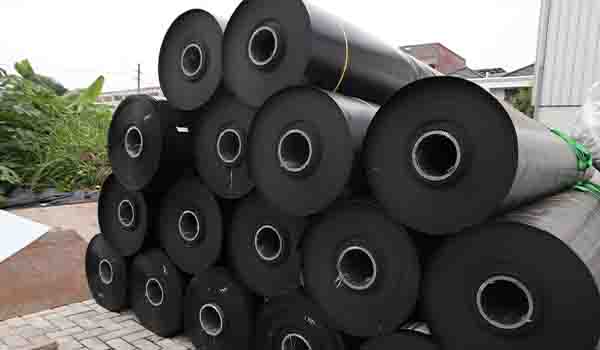
HDPE is a favored option because of its high strength and resistance to chemicals and extreme temperatures. It is well suited as a liner for waste ponds and mine reservoirs requiring maximum protection against leakage. Its relatively simple installation also makes it a leading choice at many mines.
Geomembrane Installation for Mine Waste Management
Geomembrane installation requires careful planning and specialist expertise for optimal results. It usually begins with a site survey and measurements, followed by clearing contaminants and gravel that could damage the liner.
The geomembrane is then folded and transported to the site, where sheets are installed and joined using hot-air welding or radio-frequency welding. These techniques ensure the seams are highly impermeable and resistant to pressure and chemicals.
Finally, the liner must be inspected thoroughly for leaks or damage. Leak testing and mechanical-strength tests are important parts of installation. Once it passes inspection, the geomembrane can safely and controllably contain mine waste.
Benefits of Geomembranes for Mine Waste Management
Using geomembranes for mine waste management offers significant benefits. Besides protecting the environment from pollution, this solution improves overall mining efficiency. However, the technology also presents challenges that must be addressed.
A principal benefit is the ability to create a robust barrier resistant to hazardous chemicals. This is essential because mine waste often contains toxic, corrosive substances. Geomembranes can therefore minimize leakage and environmental contamination significantly.
Geomembranes also extend the service life of waste ponds and reduce intensive maintenance requirements. A commitment to conservation and responsible waste management also improves a company’s credibility.
Make sure you use only high-quality HDPE geomembrane products from Petra Nusa Elshada so waste-management processes deliver good results. Petra Nusa Elshada offers a range of high-quality geosynthetic materials at affordable prices. Contact Petra Nusa Elshada today for consultation and orders.
Mine Waste Management FAQs

What is tailings waste?
Tailings are residual material from mineral processing, usually liquid or solid and containing hazardous substances that require proper handling to prevent environmental pollution.
How does bioremediation help manage mine waste?
Bioremediation uses microorganisms to break down and reduce hazardous substances, making waste more environmentally friendly and safer for disposal or recycling.
Why is tailings treatment so important in mining?
Tailings treatment prevents soil and water contamination and transforms waste into material that can be reused or stored safely, reducing environmental-damage risk.
What is the government’s role in mine waste management?
Governments establish regulations, oversee implementation, and enforce penalties for waste-management activities that do not meet standards, helping ensure the mining industry acts responsibly toward communities and the environment.
Are there international standards governing mine waste management?
Yes. International standards such as ISO 14001 address environmental-management systems, including waste management, and are adopted to improve mine waste practices globally.
Conclusion

Mine waste management is fundamental to mining-industry success and to balancing economic development with environmental sustainability. Through management strategies combining advanced technology, strict regulations, and active participation by all relevant parties, mine waste can be handled efficiently and responsibly.
Innovation in waste-treatment technology, including tailings processing, is essential for showing that waste is no longer merely a burden but a potential reusable resource. Communities and governments must cooperate in oversight and regulatory enforcement so waste-management practices continue progressing toward higher international standards for environmental conservation and public welfare.
Awareness of mine waste management must continue to grow, and active participation from all groups will be key to creating a responsible, sustainable mining industry. Concrete, innovative implementation will substantially reduce pollution risk and strengthen the commitment to preserve the planet.
Other Articles

DWC Pipe Joining with a Join Tracker
DWC pipe joining using a Join Tracker is a common method for creating a strong, secure connection between double-wall corrugated (DWC) pipes. The following are the general steps for joining DWC pipes with a Join Tracker: 1. Preparing Tools and Materials: DWC pipes to be joined. Join Tracker (pipe extraction tool). Joint rubber (gasket/rubber ring). […]
Geomembrane: Functions, Types & Applications in Indonesia
Have you ever seen a shrimp pond whose base is lined with a black material that looks like thick plastic, Petra friends? Or perhaps you have wondered how giant landfills manage to hold back leachate so it doesn’t pollute the surrounding groundwater? The answer lies in one remarkable material innovation: Geomembrane. In an era of […]
