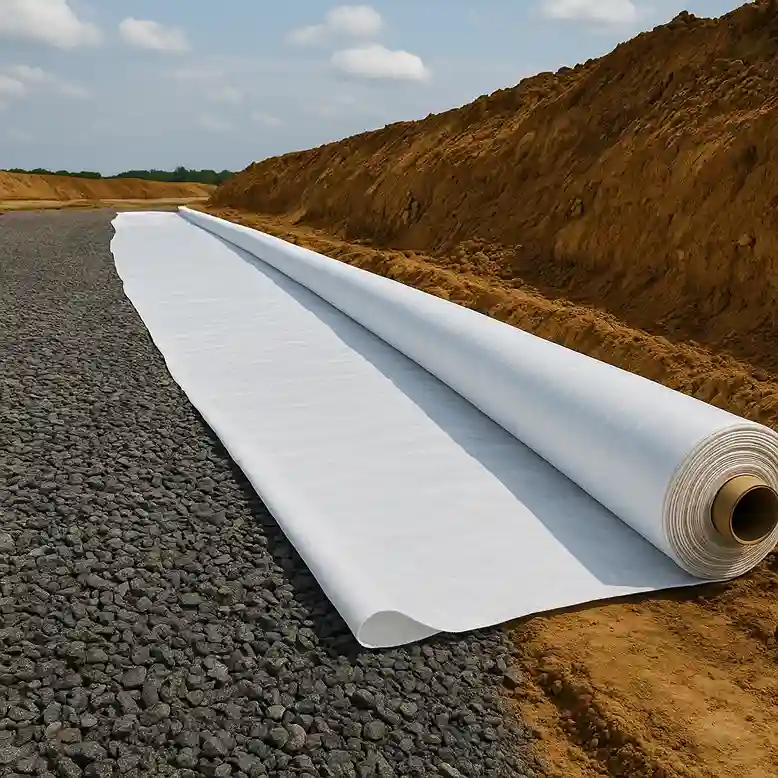
Geosynthetics: A Journey of Innovation in Civil Engineering

The invention of geosynthetics opened a new chapter in the development of materials for a wide range of civil engineering applications. From simple fabrics to essential components that support modern infrastructure, the journey of this invention has been full of innovation and challenges.
Geosynthetics are an interesting topic in the history of materials engineering because of their significant impact on infrastructure development, environmental protection and natural resource management. By tracing their history and technological development, we can understand the journey of innovation that brought this concept to the center of the global construction industry.
Origins and Early Development of Geosynthetics
Knowledge of materials that can reinforce soil and control erosion actually dates back thousands of years. Long before it became a modern innovation, the use of fabrics or similar materials to stabilize soil appeared in ancient traditions across many cultures around the world. The formal development of what we now know as geosynthetics took place during the 20th century, driven by the need for more efficient and economical engineering solutions.
At first, the materials used in these applications were limited and simple. Engineers and scientists began exploring natural and synthetic materials that could reinforce building foundations, highways and drainage systems. Through experiments and testing, it became clear that materials such as fabric, gauze and later synthetic materials could extend the life of structures and reduce maintenance costs.
Technological progress during and after the world wars gave a tremendous boost to the development of synthetic materials, including the polymers that later became the main basis of modern geosynthetics. During this period, scientists and engineers began to recognize the great potential of using these materials more widely and integrated them into major construction projects. The involvement of engineering laboratories and leading universities became a catalyst for developing stronger, more durable and more economical materials. Environmental and sustainability considerations further accelerated acceptance and innovation in this field.
The Role of Technology and Innovation in Its Further Development

Geosynthetics
Technology has played a crucial role in the invention of geosynthetics and in developing them into an integral component of modern infrastructure. Advances in synthetic materials, laboratory testing and production methods have made geosynthetics an innovative and affordable solution. Today, many types of geosynthetics are available to meet specific needs, such as geomembrane, geotextile and geogrid, each with unique characteristics and different applications.
In this process of innovation, technology supports the development of high-performance materials that withstand a wide range of environmental conditions, from extreme temperatures and corrosive chemicals to mechanical abrasion. Computer-aided design (CAD) and structural simulation allow engineers to predict material performance before it is used in the field. This ensures construction projects can use the best materials for their specific needs.
In addition, innovations in production processes, such as polymer extrusion and advanced manufacturing techniques, provide additional strength and flexibility in the application of geosynthetics. These advances have also expanded the use of geosynthetics into many fields, from road construction and landscaping to environmental protection and natural resource conservation. Digital technology and artificial intelligence also help improve the efficiency of production and material testing, ensuring the quality and durability of the final product.
One of the biggest impacts of this innovation is the reduction of construction and long-term maintenance costs. With more efficient and durable materials, infrastructure projects become more environmentally friendly. This shows that geosynthetics are not merely the result of laboratory experiments, but also of a technological evolution that has optimized their use on a wide scale.
The Role of Geosynthetics in Supporting Infrastructure and Environmental Protection

Geosynthetics
Progress in the use of geosynthetics has revolutionized many aspects of modern infrastructure development and environmental conservation. Their application is oriented not only toward mechanical strength, but also toward resource management and ecosystem protection. The positive effects of this innovation can be seen in more stable soil, reduced erosion, and solutions to flooding and landslides.
In construction, geosynthetics have become a key milestone in sustainable development strategies. Today, these materials act as an effective protective layer for soil and building materials, adding strength and providing protection against a range of natural and human-made hazards. Using geosynthetics in highway construction, for example, has been proven to extend road life while reducing maintenance and repair costs.
In environmental conservation, geosynthetics also play an important role in waste management, filtering hazardous substances from groundwater and preventing pollution. Geomembrane, for example, is used as a waterproof liner in landfills and waste storage ponds. The technology also helps create city parks that resist rain and soil erosion, while improving the bearing capacity of the ground for human activity and ecosystems.
This transformation continues with innovations such as geocomposites, which combine several functions in a single material. These innovations provide practical, economical solutions for construction and support resource and environmental conservation. The use of geosynthetics is no longer limited to large infrastructure, but now reaches more specific and specialized areas of environmental management.
FAQ about the Invention and Use of Geosynthetics
What is the main raw material of geosynthetics?
The main raw materials of geosynthetics are usually synthetic polymers, such as polypropylene and polyvinyl chloride (PVC). These materials are chosen for their resistance to environmental conditions and their high mechanical strength. Their development continues in order to meet the needs of different applications, from chemical resistance to flexibility.
How are geosynthetics made?
Geosynthetics are made by synthesizing polymer materials through extrusion or molding. The material is then processed into sheets, fabrics or other product forms as required. Quality testing is carried out strictly to ensure strength, durability and other properties meet industry and safety standards.
What are the main benefits of using geosynthetics in construction?
The main benefits include increased soil and structural strength, lower maintenance costs, protection against erosion and landslides, and environmental sustainability. Geosynthetics also allow faster, more efficient construction, with better structural quality and minimal environmental impact.
Are geosynthetics environmentally friendly?
Most geosynthetics made from synthetic polymers are designed to be durable and can be recycled or reprocessed. Their use in waste management and environmental protection also helps reduce pollution. However, waste from these materials must be handled carefully to protect the environment.
What are the main challenges in developing modern geosynthetics?
The main challenges include improving resistance to extreme weather and chemicals, reducing production costs and developing more environmentally friendly materials. Research and development in this field continue so that the resulting materials can be greener and more efficient.
Conclusion
Geosynthetics are a manifestation of creativity and innovation in civil engineering. The history of their invention is rooted in the human need to build stronger, safer and more sustainable structures. Through technological development and scientific knowledge, geosynthetics have become an inseparable part of many modern infrastructure projects and an important solution for environmental protection.
Innovation in materials and production technology continues to improve the quality and benefits of geosynthetics, making them a leading choice in construction and resource conservation. With their ability to respond to environmental challenges and improve efficiency, the importance of geosynthetics will keep growing over time.
This transformation not only confirms their value as a smart solution, but also underlines the importance of technological innovation and sustainability in future development. By understanding geosynthetic products we can better appreciate the important role these materials play in building a better, more environmentally friendly world.
Other Articles

Retaining Wall: Types and Functions
Petra friends, have you ever seen a sturdy structure standing upright beside a toll road, along a riverbank, or in a hilly residential area? Most likely, you were looking at an earth-retaining wall , commonly called a retaining wall. Whether you work in construction or civil engineering, or are planning to build a house on […]