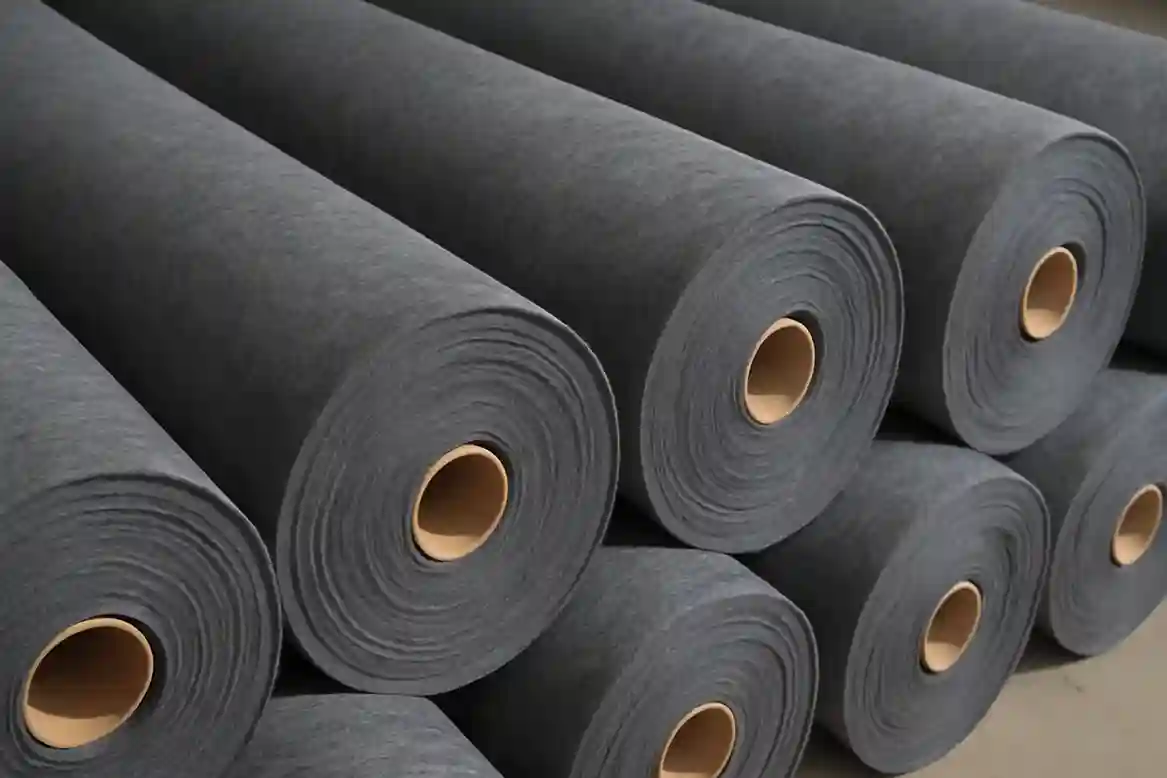
Geotextile or Geogrid: Which Should You Choose?
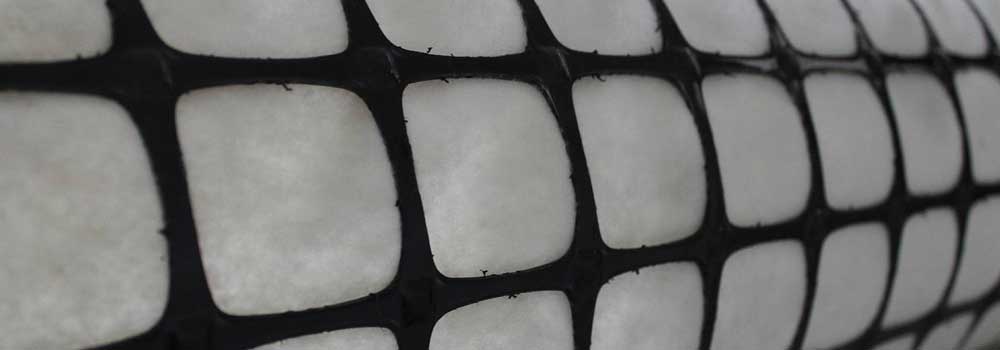
Many road construction projects already use geotextile. Technological developments have also produced many other types of geosynthetics with advantages over geotextile, one of which is geogrid.
Many questions arise when we face the choice: geotextile or geogrid?
Geogrid?
There is now a newer geosynthetic innovation designed to cover the shortcomings of Geotextile, especially in terms of material stiffness.
That material is Geogrid, which helps with earthworks by reinforcing and stabilizing the subgrade.
Geotextile and geogrid are both materials used in construction projects, but geogrid has properties that geotextile does not.
Geogrid is made from base materials such as polypropylene, polyethylene and polyester. There are 3 types of geogrid with different functions:
1. Uniaxial Geogrid
Uniaxial geogrid has rectangular apertures and is used for soil reinforcement, specifically for functions such as slope stabilization and retaining walls.

2. Biaxial Geogrid
Biaxial geogrid can be used to reinforce very soft soils such as peatland, swamps and muddy areas. This geogrid is mostly made of polypropylene and polyester, and its apertures are square.

3. Triaxial Geogrid
Triaxial geogrid has triangular apertures and serves the same function as the biaxial type. In terms of performance, it is better than biaxial geogrid because its triangular aperture arrangement is stiffer, so loads are distributed more evenly.

Geogrid Applications in Construction
Geogrid is widely used in construction projects because it is stronger than geotextile. Besides helping in road construction, geogrid is applied for soil reinforcement on slopes, bridge abutments, dam reinforcement and landfills.
Using geogrid can increase soil strength, spread loads more evenly into the soil, reduce road cracking, prevent local surface settlement (differential settlement), and more.
Which to Choose: Geotextile or Geogrid?
Geogrid’s strong interlocking properties make it widely used in construction projects. Compared with geotextile, geogrid has higher stiffness. This stiffness is very important in a reinforcement or pavement structure, where the soil receives compressive forces from the loads above. Construction projects need the right reinforcing material.
Because of its stiffness, geogrid is better suited to muddy or soft soil, while geotextile tends to be better suited to normal soil.
Advantages of Geogrid Over Other Options
Geogrid is more affordable and effective than concrete structures for installing and handling retaining walls. Yet, despite the lower cost, its quality is reliable. Geogrid allows retaining walls to be built taller and more vertical.
Other advantages include resistance to UV rays, mold, chemicals and microorganisms, and easier installation because the material uses a very good interlocking mechanism.
Click here for orders and the latest prices
Geogrid
Other Articles

Buy HDPE Pond Liner for Shrimp and Fish Ponds
Buy HDPE pond liner from us in various sizes, made from high-quality HDPE plastic with a carbon black content not exceeding 3%. At a thickness of 200 microns or 0.2 millimeters, this geomembrane offers high resistance and durability, with a service life of up to 20 years. The geomembrane pond liner we sell includes both […]