


How Geotextile Can Reduce Carbon Emissions in Construction
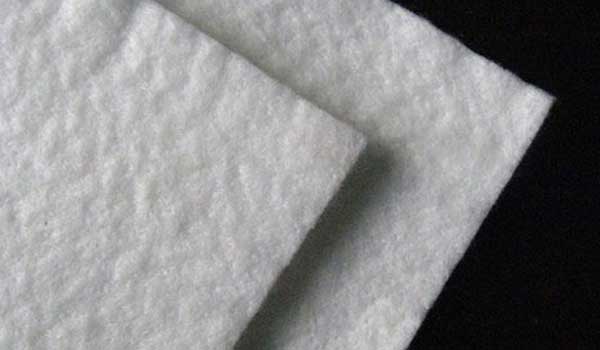
How large is the carbon footprint of a construction project? According to the latest data from the UN Environment Programme, the construction sector consumes around 32% of global energy and accounts for 34% of the world’s total carbon emissions. These figures show how much environmental pressure arises from every construction project, from material use and transportation to the operation of heavy equipment.
Amid the need to build increasingly complex infrastructure, the construction industry is required to adopt more efficient, low-emission solutions. Fortunately, there is a material that can help reduce those carbon emissions: geotextile. Why is that?
Geotextile Carbon Emissions Savings in Greener Construction
Using geotextile can help reduce carbon footprints without sacrificing project quality, strength, or durability. That is because it offers many benefits, as described below:
Reducing the need for conventional materials
Extracting and producing materials such as stone, sand, or gravel has a fairly high carbon footprint, mainly because of heavy equipment use and mining activity. So how can the uses of geotextile in construction help solve this problem?
The separation, filtration, and soil stabilization functions of geotextile can replace part of the need for aggregate materials. For example, when you install geotextile as a separation layer between the subgrade and the fill material, the soil structure becomes more stable. As a result, you do not need an additional aggregate layer.
In other words, the less material that has to be extracted, transported, and processed, the lower the carbon emissions produced.
Lowering the risk of material degradation
Construction materials that deteriorate quickly trigger intensive repair and maintenance work. This process certainly requires extra energy, heavy equipment, and the transportation of new materials. Ultimately, all of this produces greater carbon emissions.
In this context, the use of geotextile in construction can strengthen soil layers and maintain structural stability, minimizing land subsidence, erosion, or foundation damage. With better stability, the structure lasts longer. This means maintenance cycles become less frequent and the use of additional materials can be reduced.
Reducing material installation time and energy
Unlike solid construction materials such as concrete or aggregate, which require large amounts of heavy equipment, geotextile is relatively light and easy to install. Spreading geotextile across a project area takes less time, requires less equipment, and uses labor more efficiently.
In other words, a shorter installation time means you do not need to operate heavy equipment as often, so fuel consumption is also reduced. In addition, you can schedule equipment trips to the project site less frequently.
On a large project scale, small efficiencies like these can have a significant impact on reducing total carbon emissions. Easy installation also opens up opportunities to expand the use of geotextile in projects that require fast, environmentally friendly execution.
Reducing carbon emissions from material transportation
Transportation is one of the largest sources of emissions in construction. Mobilizing conventional materials such as aggregate, stone, or sand generally requires large trucks making frequent trips.
Because geotextile can replace part of these materials, transportation needs become much lower. Large volumes of geotextile can be packed into light rolls that are easy to transport, so fewer haulage vehicles are needed and fuel consumption becomes more efficient. At the same time, air pollution from vehicle exhaust also decreases significantly.
Can be combined with construction waste materials
One major challenge in construction is the accumulation of waste materials such as broken concrete, leftover stone, or excavated soil. Without proper management, this waste can cause soil and water pollution that endangers health. In addition, solid waste left abandoned can cause injuries to people nearby.
With geotextile, you can reuse these construction waste materials as part of an embankment structure. Thanks to its separation and reinforcement functions, geotextile keeps the mixed material stable and prevents it from mixing with the softer subgrade.
Ultimately, through this strategy, you can reduce the need for new materials, the waste that must be sent to landfill, waste transportation and new material purchases, while extending the life of the structure through better stabilization.
Preventing water and soil pollution from construction
Water and soil pollution often occurs when fine particles from excavated soil or construction waste enter bodies of water. If uncontrolled, excessive sedimentation can damage river ecosystems, drainage channels, and even irrigation systems.
On the other hand, geotextile functions as a filtration layer that retains soil particles while still allowing water to flow. This function is especially necessary for drainage projects, retaining wall construction, slope stabilization, and infiltration area installation. By preventing sedimentation and maintaining water quality, geotextile helps reduce the ecological impacts that often arise from construction projects.
Tips for Choosing Environmentally Friendly Geotextile
To obtain optimal ecological benefits, you need to choose the geotextile that best suits the needs of your construction project.
First, make sure the type of geotextile used truly suits the project conditions. The right type of geotextile avoids excessive material use while reducing emissions associated with production and installation. Woven geotextile, for example, is better suited to soil stabilization and reinforcement needs, while non-woven geotextile is usually chosen for filtration and drainage systems.
It is also important to consider durability and service life. High-quality geotextile can withstand pressure, UV exposure, and aggressive soil conditions, so it does not need replacing any time soon. The longer its service life, the smaller the carbon footprint produced throughout its life cycle.
Equally important, you need to make sure the material used meets environmental standards or is produced through more efficient processes, including the potential use of recycled materials.
Finally, choose geotextile that is compactly packaged and lightweight. Products with high volume efficiency are easier to transport and require less distribution energy, which also lowers emissions from logistics.
Still unsure which geotextile suits your project? You can consider geotextile woven and non-woven products from Petra Nusa Elshada. Petra Nusa Elshada geotextile materials are designed to meet the needs of modern construction with environmentally friendly, economical materials that offer excellent durability.
In addition, its production quality helps projects run more efficiently, both technically and in terms of reducing carbon emissions, because you can install geotextile from Petra Nusa Elshada easily and quickly, anywhere and at any time.
If you want to find the best material choice for your project needs, consult the Petra Nusa Elshada team directly by visiting the following page! We are ready to provide recommendations based on your site specifications and the construction performance targets you want to achieve.
Other Articles

Geocell Indonesia: Functions, Price and Quality
Have you ever heard of Geocell Geotextile? This time we will discuss geocell in Indonesia, which can help prevent soil erosion. Make sure you understand this information well so you can keep your ground in good condition. Geocell Geotextile People who do not work in construction may not be familiar with the term geocell. What […]

Woven Geotextile for Embankment Slopes
Embankment slopes are generally built with soil fill, and woven geotextile for slopes is often used to keep them stable. Soil fill has different slope angles depending on the type of soil used. Regardless of the material, failure can occur when the embankment is loaded. For this reason, the safety factor in such cases should […]
