


HDPE or LLDPE Geomembrane Applications Compared

HDPE Geomembrane Applications for Environmental Protection
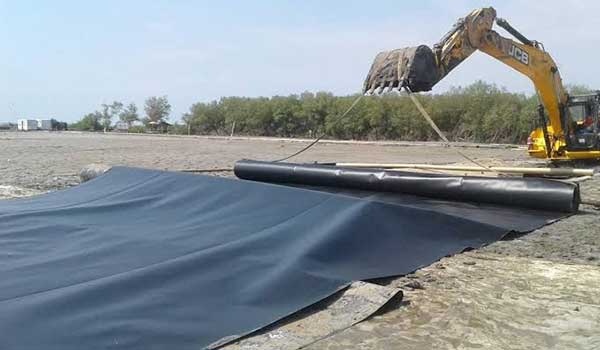
HDPE geomembrane applications are widespread in environmental protection projects, including landfills, wastewater treatment plants and industrial waste treatment plants. Projects like these require high-quality geomembranes. For example, landfill projects typically use 1.5 mm–2.0 mm HDPE geomembrane to provide isolation and prevent seepage.
LLDPE Geomembrane for Water Conservation
Water conservation projects such as dams, reservoirs and canals typically use 1.0 mm LLDPE geomembrane. It provides seepage prevention and protection at the same time.
HDPE Geomembrane for Infrastructure Construction
HDPE geomembrane is used in subway, tunnel, road subgrade and railway projects.
LLDPE Geomembrane for Landscaping
LLDPE geomembrane is used in landscaping projects, including artificial lakes, riverbanks and seepage prevention beneath grassed areas. For example, 0.75 mm geomembrane can be used in an artificial lake project to prevent seepage.
HDPE Geomembrane for Petrochemical Facilities
HDPE geomembrane can be applied in chemical plants, oil refineries and oil tank liners. A 2.0 mm HDPE geomembrane is commonly used to prevent seepage, regulate moisture, prevent corrosion and isolate the base of an oil tank.
LLDPE Geomembrane for Agriculture and Livestock
Geomembrane can be used in agriculture, irrigation systems, rainwater harvesting, livestock farming and biogas treatment. For example, a biogas facility can use geomembrane with a thickness of 1.0 mm–1.5 mm.
HDPE Geomembrane for Aquaculture
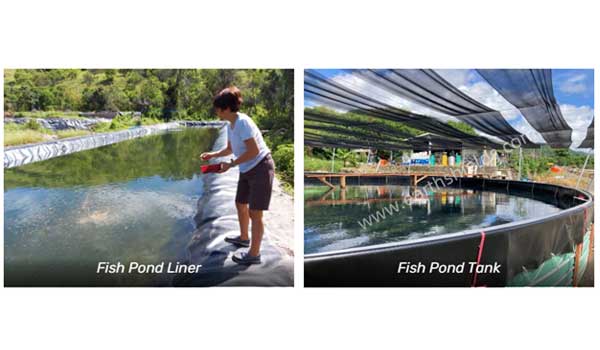
Geomembrane use in aquaculture is increasingly common, including in fish and shrimp ponds. The geomembrane thickness used ranges from 0.3 mm–1.5 mm. Geomembrane can prevent seepage and make pond maintenance easier, helping reduce costs.
Other Articles

Woven Geotextile for Soft Soil Reinforcement
The very first step in a road construction project is testing the soil’s bearing capacity, known as CBR (California Bearing Ratio). If testing shows a CBR of <2%, the soil is clearly unsuitable as a road base because it is soft soil, and woven geotextile soft soil reinforcement becomes the answer. Properly designed installation of […]
Geotextile Separator or Stabilizer for Road Construction
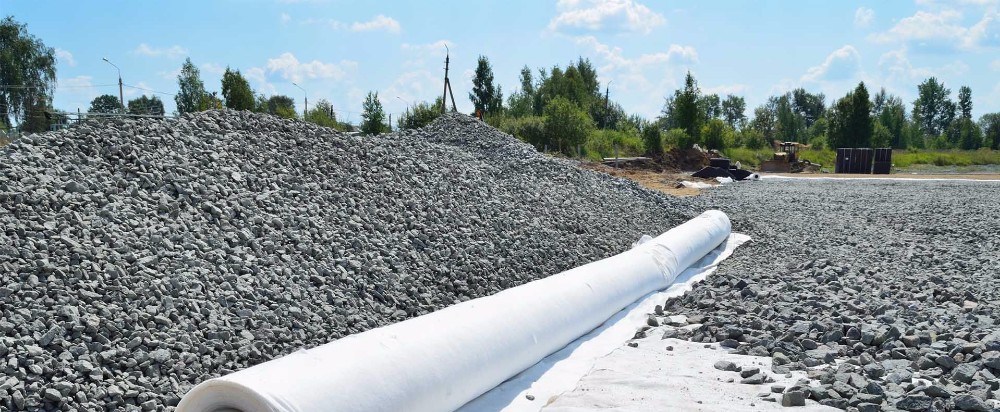
Geotextile has been widely applied in road construction to make construction costs more economical. Used as a geotextile separator or stabilizer, it can reduce aggregate thickness and extend the service life of the road. A single layer of geotextile can typically save 1/3 of the aggregate base thickness for roads on soft to medium subgrade […]