


What Is an HDPE Pipe and What Are Its Uses?
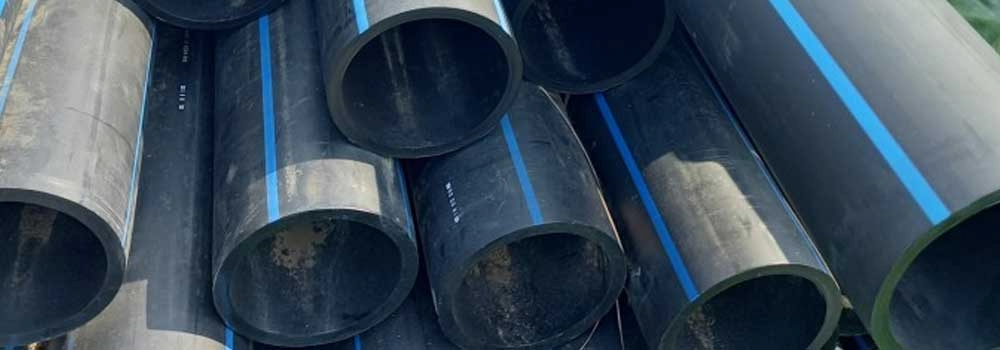
HDPE Pipe
Plastic pipes are now widely used, especially to convey clean water. One reason is that plastic pipes do not have a strong odor that could affect the smell of the water flowing through them.

There are many types of plastic pipe, including the widely used HDPE pipe. HDPE (High Density Polyethylene) pipe is a plastic pipe made from a petroleum-based material. It is characterized by its deep black color and a blue stripe running along its outer surface.
Related: Methods for Joining Geocell Panels
HDPE pipe is flexible, allowing it to be used in various soil conditions. Another advantage is its light weight, which simplifies transportation. Its durability is well established, with a service life of up to 50 years.
Advantages of HDPE Pipe
HDPE pipe offers reliable quality because joining sections requires a specialized butt fusion machine. This process produces strong joints that do not separate easily under significant movement or at high and low temperatures.
HDPE Pipe Uses
Because of its advantages, HDPE pipe is widely used in water infrastructure, including clean-water systems, and for various other purposes. The following sections describe its functions and examples of its use in construction.
Water Distribution Systems

HDPE pipe is widely used to convey water over both short and long distances. With durability of up to 50 years, it supports safe, long-term water infrastructure. In terms of pollution, HDPE pipe is environmentally friendly because it does not corrode and damage its surroundings like iron pipe can.
Cable Conduit Applications

In addition to conveying water, HDPE pipe can protect cables because it is durable and resistant to damage. Many large companies use HDPE pipe as cable conduit, including internet service providers and telecommunications companies.
Gas Distribution Systems

Gas utility companies commonly use HDPE pipe for gas distribution. HDPE pipe for high-pressure gas can be identified by its color, which is usually yellow. Its joining technique also differs from the technology used for water pipes. These pipes are joined by electric fusion using a specialized machine.
Pipelines in Disaster-Prone Areas
This sophisticated joining technique reduces the risk of pipes separating at their joints. HDPE pipe is therefore well suited to areas with unstable ground and disaster risks, such as mountainous terrain, landslide-prone soil and flood-prone areas.
Other Articles
Non-Woven Geotextile Price 2023, Functions and Benefits
If you work in construction, you are surely familiar with Non Woven Geotextile. This material is one of the things construction projects need. Many people are curious about the non-woven geotextile price in 2023. Is this material expensive? You can find information about the price of non woven geotextile in this article. You should also […]

Geobag Standard Specifications
According to Bina Marga (Directorate General of Highways) regulation SKh 1.3.13.2, there are several geobag specifications you should know: Geobags must be made from polypropylene fibers (woven/non-woven). Geobags must be resistant to chemicals that could damage their properties. Geobags must be UV resistant, withstand submersion in water, and withstand the weight of the sand fill […]

Geotextile Characteristics, Types and Functions
Geotextile is a textile material designed for a wide range of geotechnical applications, especially those related to soil and water control. In construction, it plays an important role in maintaining soil stability, preventing erosion and increasing soil bearing capacity. This article takes an in-depth look at geotextile characteristics, types, functions and practical applications. What Is […]