


HDPE Tarpaulin: Uses and Advantages

Reliability and Versatility in Many Applications
HDPE tarpaulin (High-Density Polyethylene) is made from a strong, durable plastic. Known for its reliability, HDPE tarpaulin is used in many applications across many industries. This article discusses the uses of HDPE tarpaulin and its advantages and benefits. We explain why HDPE tarpaulin is an ideal choice for many purposes and why you should consider it.

What Is HDPE Tarpaulin?
HDPE Tarpaulin Definition
HDPE tarpaulin is a type of plastic sheeting made from high-density polyethylene. Polyethylene is a synthetic polymer widely used in many plastic products. HDPE tarpaulin has a high molecular density, which gives it strength, resistance to extreme temperatures and good durability.
HDPE Tarpaulin Composition
HDPE tarpaulin consists of high-density polyethylene produced by the polymerization of ethylene. Its main components are:
a. High-density polyethylene: The main component of HDPE tarpaulin is high-density polyethylene. This polyethylene has long chains with few branches, which give it high strength and resistance to pressure and tension.
Read Also: Pond Tarpaulin
b. Additives: In HDPE tarpaulin production, additives such as color pigments, UV inhibitors (to protect the tarpaulin from ultraviolet rays) and other reinforcing agents are sometimes added to improve certain properties, such as sunlight resistance, chemical resistance or physical strength.
Physical properties and mechanical strength that set it apart

HDPE tarpaulin, or High-Density Polyethylene, is a material commonly used to make tarpaulins or waterproof covers. Here are some common physical properties of HDPE tarpaulin:
- UV resistance: HDPE tarpaulin resists sunlight well and is not easily degraded by ultraviolet radiation, making it suitable for outdoor use in direct sunlight.
- Chemical resistance: HDPE resists many chemicals, such as acids, alkalis and solvents, so HDPE tarpaulin can be used in environments prone to chemical exposure.
- Water resistance: HDPE tarpaulin is waterproof, making it ideal as a waterproof cover to protect goods or areas from moisture or rain.
- Strength and durability: HDPE tarpaulin generally has high strength and good resistance to pressure and tension, so it can be used in applications that require high strength and durability, such as truck covers, swimming pools, tents and building covers.
- Lightweight: HDPE tarpaulin is relatively light compared with some other cover materials, which makes it easier to install, transport and store.
- Flexibility: HDPE tarpaulin is flexible and can adapt to different shapes and sizes, which makes it easy to install and adapt to many applications.
- Abrasion resistance: HDPE tarpaulin resists friction and abrasion well, so it stays durable even in harsh conditions or with frequent rubbing.
- Range of colors: HDPE tarpaulin is available in many colors, so you can choose one that suits your needs or aesthetic preferences.
Read Also: Pond Tarpaulin vs Geomembrane for Shrimp / Fish Ponds
Advantages of HDPE Tarpaulin
- Withstands extreme weather: HDPE tarpaulin resists UV rays and extreme weather conditions.
- Strength and durability: HDPE tarpaulin can withstand loads and external pressure.
- Waterproofing quality: HDPE tarpaulin is waterproof and protects goods or areas from moisture and leaks.
- Flexibility and practicality: HDPE tarpaulin is easy to install, maintain and transport.
HDPE Tarpaulin Applications
- Agriculture and plantations: HDPE tarpaulin is used as ground cover, for crop protection and to build greenhouses.
- Construction and industry: HDPE tarpaulin is used to protect buildings, wrap goods and cover swimming pools.
- Transport and logistics: HDPE tarpaulin protects cargo on trucks and cargo ships.
- Outdoor events and activities: HDPE tarpaulin protects against rain or sun during outdoor events.
Choosing HDPE Tarpaulin
- Know your needs: Determine the use and size of tarpaulin you need. Consider size, thickness, waterproofing, UV resistance and other physical properties to suit your purpose.
- Check the thickness: HDPE tarpaulin is available in various thicknesses. Choose the one that suits your needs. The thicker the tarpaulin, the stronger and more durable it is, but also the heavier.
- Check certification: Make sure the HDPE tarpaulin you choose meets the relevant quality and safety standards. Check whether it has certification such as ISO or another recognized standard.
- Consider environmental factors: If the tarpaulin will be used outdoors in direct sunlight, make sure it has UV protection so that it does not deteriorate and fade quickly.
HDPE Tarpaulin Maintenance
- Clean the tarpaulin regularly: Clean it routinely with water and mild soap to remove dirt and dust. Avoid harsh chemicals or abrasive brushes that can damage the protective layer.
- Avoid friction and scratches: Keep the tarpaulin away from sharp or rough objects that could damage or puncture it. Use additional protection if needed.
- Store it properly: When not in use, store HDPE tarpaulin dry and out of direct sunlight. Fold it neatly and keep it in a safe place to prevent damage.
- Check for damage: Inspect the tarpaulin regularly to make sure there is no damage or leakage that needs repair. If there are holes or cracks, repair them promptly with an adhesive designed for HDPE tarpaulin or with the repair method recommended by the manufacturer.
- Avoid overloading: Do not place heavy or sharp loads directly on the tarpaulin, as this can damage or tear it. Use suitable padding or supports to distribute the load evenly.
- With the right selection and care, HDPE tarpaulin can last a long time and keep performing well. It is important to follow the care instructions provided by the manufacturer of your HDPE tarpaulin.
Read Also: Benefits of Using Geomembrane for Shrimp / Fish Ponds
Conclusion
In conclusion, HDPE (High-Density Polyethylene) tarpaulin is a type of tarpaulin made from high-density polyethylene. It resists a wide range of weather conditions and chemicals, so it is often used for truck covers, fish ponds, storage, weather protection and more.
The advantages of HDPE tarpaulin include high strength, good resistance to ultraviolet (UV) rays, corrosion resistance and chemical resistance. This makes HDPE tarpaulin a good choice for long-term use in many environmental conditions.
HDPE tarpaulin is also relatively light, flexible and easy to install, which makes installation and relocation easier than with materials such as metal or wood.
HDPE tarpaulin provides effective protection against moisture, dust, UV rays, rain, wind and other elements that could damage the goods or areas it covers.
HDPE tarpaulin has a relatively long service life, depending on the conditions of use and maintenance. Under normal use and good care, HDPE tarpaulin can last for years without significant damage.
Although HDPE tarpaulin has many advantages, there are some limitations to keep in mind. It can be prone to tears or physical damage from sharp objects or heavy loads. In addition, HDPE tarpaulin is not always suitable for applications that require resistance to extreme temperatures or high pressure.
Other Articles

Geotextile Joining Methods: Overlap and Sewing
Geotextile is used as a reinforcement and separation layer for embankments on soft soil. Geotextiles on the market come in rolls with a standard width of 4 m and lengths of 50 m, 100 m, 150 m and 200 m, so geotextile joining methods matter on every project. That is why the quality of geotextile […]
Prefabricated Vertical Drain: A Smart Soft Soil Solution
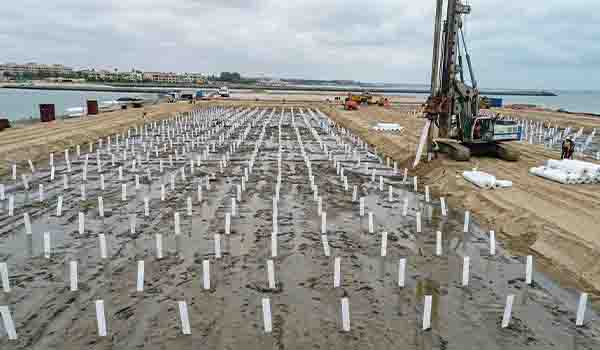
Have you ever seen a toll road project built over swampy or extremely soft-looking ground, Petra friends? You might wonder how such soft soil can support concrete and thousands of passing vehicles without sinking. The answer isn’t magic, but a civil engineering technology called a Prefabricated Vertical Drain, often abbreviated as PVD. If you work […]