


Soil Stabilization: How to Build a Solid Foundation
Soil stabilization is an essential process that ensures soil is strong and stable enough to support infrastructure and buildings. In construction, soil stabilization is a first step that cannot be skipped if you want to minimize the risk of structural failure later on.
Soil stabilization is one of the best techniques in geotechnical and civil engineering. By optimizing the physical and mechanical properties of soil, the process increases bearing capacity and reduces the risk of damage caused by unstable ground. With a thorough understanding of this process, engineers and developers can design stronger foundations, reduce future repair costs, and keep construction projects on track.
Why Soil Stabilization Matters in Construction
Soil stabilization
Construction relies on soil as the main base that supports the loads of buildings and other infrastructure. Unstable soil can cause many problems, from movement and collapse to serious structural damage. That is why soil stabilization is an important solution to give the soil enough strength and stability.
Before construction starts, engineers must carry out a thorough analysis of ground conditions at the site. If the soil shows inadequate characteristics, such as high porosity, landslide risk, or low shear strength, stabilization must be carried out to address those risks. Soil stabilization is therefore not just a technical step, but also a way of creating a foundation that is safe, strong, and durable.
Through this process, problem soils such as soft soil, organic soil, or clay can be treated effectively. The end result is ground that can carry loads and strengthen building foundations, so construction runs smoothly and the final result meets long-term safety and durability standards. Ignoring the importance of soil stabilization poses a major risk to the sustainability and integrity of a construction project.
Improving Construction Quality and Reducing the Risk of Structural Failure
Soil stabilization matters because it can significantly improve construction quality. Without this step, unstable soil can become the main cause of damage to buildings or infrastructure later on. Stabilization helps extend building life and lower maintenance costs.
Using the right soil stabilization technique also directly reduces construction costs. With stabilized ground, the need for deep and expensive foundations can be minimized. This allows construction to be more efficient and economical without compromising quality and safety.
All these benefits show that soil stabilization is an important long-term investment when planning a construction project.
Common Soil Stabilization Methods
Soil stabilization methods
There are various techniques for soil stabilization, depending on soil conditions and project requirements. Each method has its own advantages and challenges, as well as specific applications relevant to field conditions.
Let’s look at some popular methods often used in soil stabilization to ensure a stronger, more stable foundation.
Physical and Mechanical Soil Stabilization
Physical and mechanical soil stabilization
Physical and mechanical soil stabilization must be applied correctly based on the condition and characteristics of the soil in the field, while considering environmental factors and possible risks. In practice, combining these two methods gives optimal and durable results. That is why it is important to understand the available options, along with their strengths and weaknesses.
Physical Soil Stabilization
Physical soil stabilization involves modifying the soil structure directly by mechanical means, without adding chemicals or other binders. This approach is generally used on soils whose characteristics can be improved through simple mechanical techniques at a relatively lower cost.
The main advantages of the physical method are fast execution and a natural environment, because no chemicals that could harm the ecosystem are involved. This method usually suits soil that still has reasonable bearing capacity but needs better stability to carry loads.
Examples of common physical techniques include dredging, leveling, resurfacing, and using natural materials such as ballast and gravel. These techniques are also often used at the start of a project as a first step to stabilize the ground before more complex methods are applied, or to improve shallow soil conditions.
Soil Hardening Through Compaction
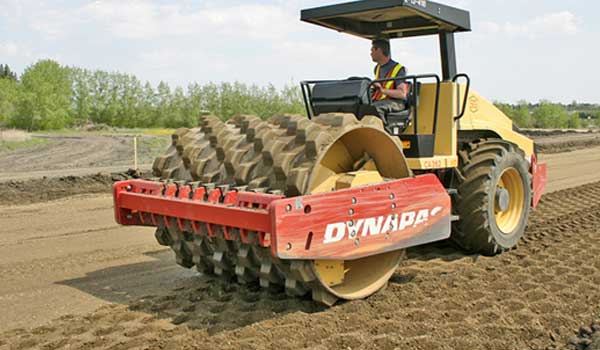
Compaction is one of the most common physical methods used in soil stabilization. In this process, soil is compacted with heavy equipment such as rollers, vibratory compactors, and other compaction tools to increase its hardness and bearing capacity.
It is important to verify compaction with the Standard Proctor or Modified Proctor test to make sure the soil reaches optimum density. Effective compaction reduces the void ratio of the soil and increases its shear strength, so it can carry loads better.
This technique is also often combined with light stabilizers or additives that improve the physical properties of the soil without chemically changing its composition. Compaction must also be repeated in successive layers so the result is even and durable.
Chemical Soil Stabilization
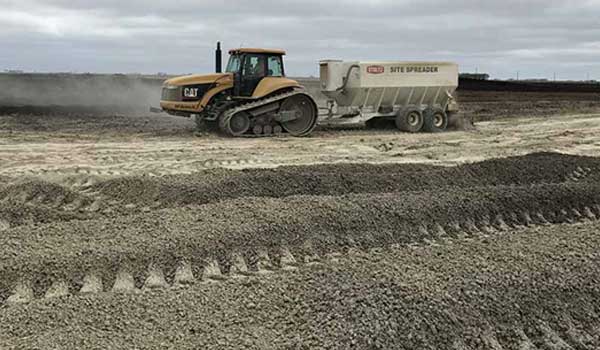
Using chemicals for stabilization offers a more innovative solution that can adapt to a wide range of soil conditions. This method relies on adding materials such as cement, lime, fly ash (coal combustion residue), or resin to significantly improve the physical characteristics of the soil.
In this process, the chemicals are mixed thoroughly into the soil, followed by compaction. The chemicals react with the soil, strengthening the bonds between soil particles and reducing the risk of future deformation. This technique suits soil with a high organic content or soil that is very soft and weak.
Besides increasing soil strength, this method can also speed up construction because the stabilized ground can be used for foundations right away without a long curing period. Chemical soil stabilization is a very effective solution for both large and small projects that prioritize efficiency and maximum results.
Geosynthetic Methods for Soil Stabilization
Geosynthetics for soil stabilization
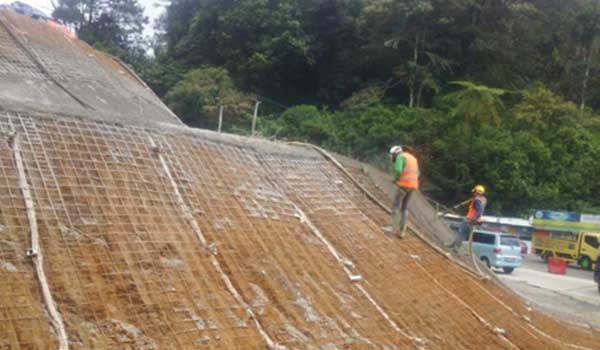
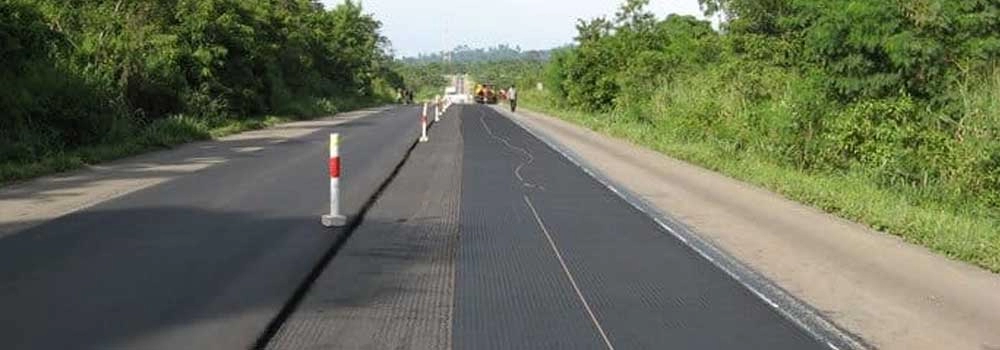
Another increasingly popular method is the use of geosynthetic materials, such as geogrid, geomembrane, and geotextile, in soil stabilization. This approach involves installing these materials as soil retaining or reinforcing layers that significantly improve soil stability.
Geosynthetic technology has the advantage of combining the physical strength and stability of synthetic materials with the native soil. Geogrid, for example, helps hold soil in place and reduces the risk of movement, especially on slopes or soft soil prone to deformation.
This method is usually combined with other techniques such as cement or lime stabilization, resulting in ground that is much stronger and more resistant to tensile forces and pressure. In addition, geosynthetic methods are environmentally friendly because they can reduce the use of hazardous chemicals while speeding up construction.
Geomembrane
Using geomembrane in soil stabilization offers long-term benefits, and geomembrane also helps reduce the environmental impact of construction and industrial activities.
The availability of many types of geomembrane also makes it easy to adapt to different soil and environmental conditions. For example, in wetland reclamation projects, geomembrane acts as an isolating layer that keeps the soil stable.
Geotextile
Geotextile is a highly versatile synthetic material used in many infrastructure applications, including soil stabilization as well as erosion protection and soil layer separation. The main advantage of geotextile is its ability to reinforce soil while also improving drainage and preventing soil particle migration.
In use, geotextile serves as a separation layer between the subgrade and other materials, and as a protective layer for geomembrane. Performance and resistance to mechanical and environmental stress are the main factors in choosing the right type of geotextile.
Geogrid
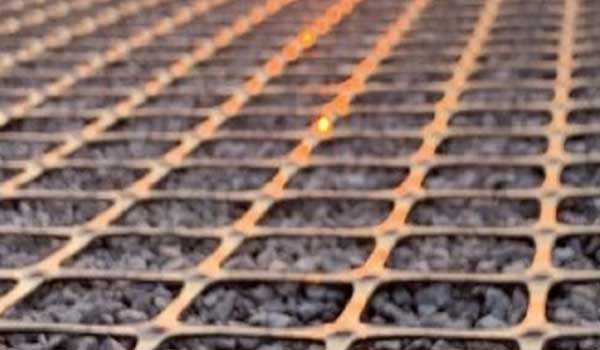
Soil stabilization with geogrid has a number of advantages that make it more attractive than conventional methods: high strength, resistance to various weather conditions, and the ability to reduce the need for excavation and soil hardening.
However, there are also challenges to anticipate. For example, a geogrid that is not suited to certain soil conditions can be less effective. Installation errors can also lead to sub-optimal results. That is why in-depth understanding and technical expertise are essential when installing geogrid on a project.
Soil stabilization with geogrid, geomembrane, and geotextile is an innovation that has brought remarkable change to modern construction and infrastructure projects. Each technology has its own role and advantages in improving soil stability and resistance to loads and environmental factors. Combining these three technologies, when applied correctly and professionally, can produce efficient and economical solutions.
Make sure you use high-quality geosynthetic products from Petra Nusa Elshada so your soil stabilization delivers good results. Petra Nusa Elshada offers a wide range of high-quality geosynthetic materials at competitive prices. Contact Petra Nusa Elshada today for consultation and orders.
FAQ About Soil Stabilization
What are the main benefits of soil stabilization?
Soil stabilization increases soil strength and stability, reduces the risk of collapse or movement, and helps prepare a safe foundation for buildings and infrastructure. It also helps reduce future repair and maintenance costs.
When is the right time for soil stabilization?
This process should be carried out before construction begins, once soil analysis shows inadequate soil characteristics. This early treatment is important so construction runs smoothly and the final result meets safety standards.
What materials are commonly used in soil stabilization?
Commonly used materials include cement, lime, fly ash, resin, and geosynthetic materials such as geogrid and geotextile. The choice of material depends on soil conditions and the specific needs of the project.
Can soil stabilization be carried out in all soil conditions?
Yes, but the methodology and materials will differ depending on the soil characteristics. The process can treat soft soil, organic soil, fine-grained soil, and other conditions that need specific reinforcement.
How long does soil stabilization usually take?
The time required depends on the method chosen and the scale of the project. In general, the process can take from a few days to several weeks, depending on the level of treatment and the curing time of the stabilizing materials.
Conclusion
Soil stabilization is a basic step to ensure the success of any construction project that prioritizes safety and long-term efficiency. By applying the right method, previously unstable soil can be turned into a solid and durable base. Knowledge of these techniques, including innovations such as chemical and geosynthetic stabilization, is key to meeting construction challenges in many locations.
Integrating soil stabilization correctly and appropriately ensures that building structures are not only structurally strong but also able to last in the long term. That is why every engineer and construction professional must understand the importance of soil stabilization and apply it optimally for the best construction results. The continuity and safety of a project depend on a stable, solid soil foundation that keeps construction on track.
Other Articles

Geosynthetic Material Packing List
NO CATEGORY TYPE SIZE PACKING 1 HDPE GEOMEMBRANE SOLMAX HDPE GEOMEMBRANE SMOOTH BLACK 0,75MM 7 m x 280 m Length: 7 m, Dia: 60cm, Weight: 1.5 ton SOLMAX HDPE GEOMEMBRANE SMOOTH BLACK 1,00MM 7 m x 210 m Length: 7 m, Dia: 60cm, Weight: 1.5 ton SOLMAX HDPE GEOMEMBRANE SMOOTH […]
Geosynthetics for Road Construction and Highway Engineering
In general, geosynthetics are man-made materials often used in construction projects such as subgrade reinforcement in road structures. In highway engineering, geosynthetics for road construction can act as a separation layer or as reinforcement to increase embankment stability. In this role, geosynthetics provide reinforcement through several mechanisms: lateral restraint, increasing the bearing capacity of the […]
