


Geomembrane Maintenance Tips for a Longer Service Life

Have you ever wondered how to ensure your project investment lasts? If your project involves a pond, waste management or water storage, you are most likely using a geomembrane liner. This watertight lining material is known for being extremely tough, flexible and resistant to various extreme weather conditions in the field.
However, no matter how good the material specifications are, its performance can decline over time without proper maintenance. In this article, we take a thorough look at various geomembrane maintenance tips to extend its service life and keep it performing at its best. Read the complete guide!
Why Is Geomembrane Maintenance Important?
Before getting into the practical tips, you need to understand why maintaining this material is so crucial. Geomembrane, especially HDPE (High-Density Polyethylene), is designed as a liquid-tight physical barrier. It serves vital functions, from keeping pond water from seeping into the ground to containing industrial waste so it does not pollute the environment.
If left without maintenance, continuous UV exposure, material buildup and daily operational activity can lead to wear. Minor damage that is ignored can result in a severe leak. Once it leaks, repair costs will certainly be substantial, not to mention the dangerous pollution risk. Preventive measures are therefore much more efficient in terms of cost and labor.
Perform Routine Visual Inspections
The most basic yet often overlooked step is performing a visual inspection. You do not need highly sophisticated equipment for this initial stage. Set a routine inspection schedule, such as once a month, or inspect it immediately after severe weather such as a storm or heavy rainfall.
During an inspection, carefully examine the entire surface of the material. Look for signs of thinning, scratches, unusual discoloration or folds under tension. Pay extra attention to the seams as well, because these are usually the points most vulnerable to leaks.
Clear the Area of Debris & Sediment
Over time, dirt, mud, tree branches or small stones carried by the wind will inevitably accumulate on the surface of a pond or containment area. This debris or sediment buildup should not be left for too long.
Besides reducing storage capacity, accumulated mud can hide tears underneath. What is more, a sharp branch that gets stepped on can scratch the surface immediately. Be sure to remove this sediment regularly using plastic or rubber tools that are safe for the watertight liner. Avoid metal shovels with sharp edges.
Keep Sharp Objects & Heavy Loads Away
The main enemies of a geomembrane liner are sharp objects and mechanical pressure beyond reasonable limits. When you and your team work around the lined area, make sure no heavy equipment travels directly over material that is not protected by soil or concrete.
If workers must walk over it, require them to wear shoes with flat or soft rubber soles. Strictly prohibit boots with hard or studded soles. Heavy equipment should also not be loaded or unloaded directly on this liner, preventing the risk of unexpected impact.
Monitor Water Levels and Quality

Extremely large fluctuations in water volume can affect geomembrane service life. A pond that is frequently emptied and then suddenly filled to capacity can put stretching pressure on the material. Try to keep water levels stable so the pressure remains even.
For waste-management containment in particular, always monitor the quality of the liquid inside. Although HDPE is highly resistant to many corrosive chemical reactions, continuous exposure to excessive heat from waste can still accelerate degradation of the plastic material.
Repair Any Leak Immediately
Found a pinhole during an inspection? Don’t panic, but don’t delay either! The biggest mistake in geomembrane pond maintenance is postponing the repair of a leak because it does not yet seem serious. Remember, hydrostatic water pressure will continue to push against the opening until the tear grows.
Small leaks are generally fixed by patching with a piece of matching HDPE material. Welding must be performed by an experienced technician using an extrusion welder. Make sure the surface is completely dry and free of dust before welding so the patch bonds perfectly.
Manage Wild Vegetation Around the Area
The final, equally important tip is to monitor the environment outside the pond perimeter. Uncontrolled weeds, shrubs or tree roots can pose a serious underground threat.
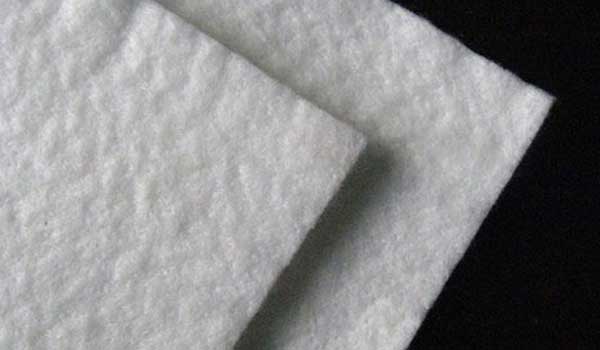
Some plant roots penetrate very aggressively and can damage the geomembrane liner without being visible from above. Clear weeds regularly and make sure large-rooted trees are not planted too close. If the ground is vulnerable, always use non-woven geotextile as a protective underlay before installing the geomembrane.
Need a Consultation for Your Requirements?
If you are planning a new containment installation, looking for superior-quality liner material or need advice on installation, the Petra Nusa Elshada team is ready to assist you. As a reliable geosynthetics supplier, we are committed to delivering proven, durable infrastructure solutions for every site requirement.
Feel free to consult the Petra Nusa Elshada team. We supply a wide range of high-quality geosynthetics ready to ship throughout Indonesia. Let’s discuss your project needs now!
Check our catalog: Click here
Chat on WhatsApp Now: Click here
Remember Geosynthetics, Remember Petra!
Other Articles


HDPE Pond: A Durable, Cost-Effective Solution
Hello, Petra Friends! Have you ever felt frustrated because a newly built fishpond or water reservoir suddenly leaked? Or perhaps you are tired of continually patching a concrete pond that cracks because the ground shifts? If you face this problem, it is time to learn about a technology now popular in construction and aquaculture: the […]