


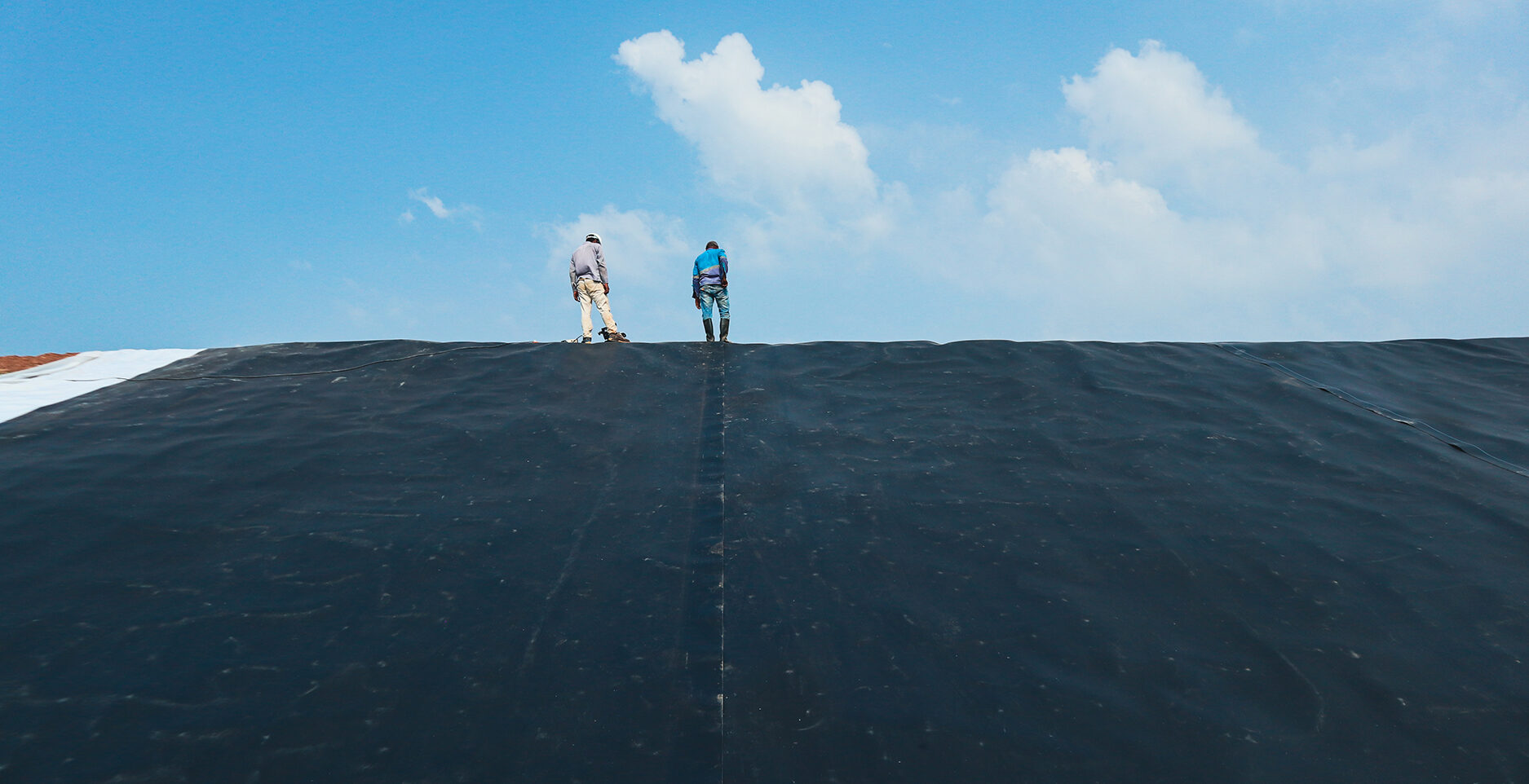

What Is Bronjong (Gabion)? Uses and Benefits
What is gabion? Bronjong (gabion) is a structure used to prevent erosion on slopes, generally used along riverbanks. However, quite a few people also use gabions to add beauty to an architectural design. A gabion is woven steel wire mesh in the shape of a cube or block, filled with rocks. It is usually used […]

Using Geocell for Mining Haul Roads
A critical structure in the production process at a mine site is the haul road, which is why geocell for mining roads matters. The subgrade structure of a haul road must be strong and able to support the moving loads that travel over it. Heavy loads coming in and out, around 160 tons, combined with […]

Geotextile Road Reinforcement: Construction Process
Geotextile is a material that is already widely used for soil reinforcement work, as cited from the site on geotextile, and it could even be called mandatory for geotextile road reinforcement. A road construction worker must therefore understand how to install geotextile properly. For this installation, the Department of Public Works has issued a document […]
Geocell vs Geogrid: Which Is Better for Roads?
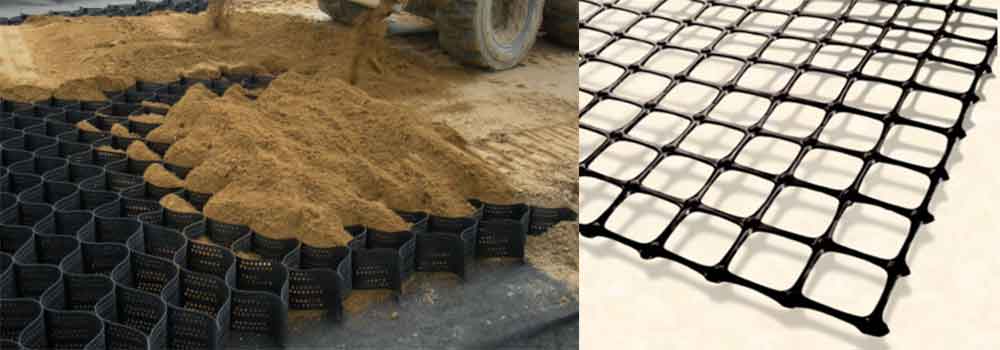
When designing a road, you may often be unsure which geosynthetic material is best for your project. For road reinforcement, the choice usually comes down to two materials: Geogrid and Geocell. Here is how geocell vs geogrid compare. Both materials are reinforcements designed to be placed on top of the subgrade. Although either can be […]

Geotextile Protection Layer for Geomembrane
Thanks to its good puncture resistance, non-woven geotextile is often used as a geotextile protection layer for geomembrane. This keeps the geomembrane in good condition so it continues to function as a waterproof layer. The parameters for geotextile as a protection layer according to the International Geosynthetics Society are as follows: The CBR Puncture parameter […]
Class A and Class B Geotextile Specifications
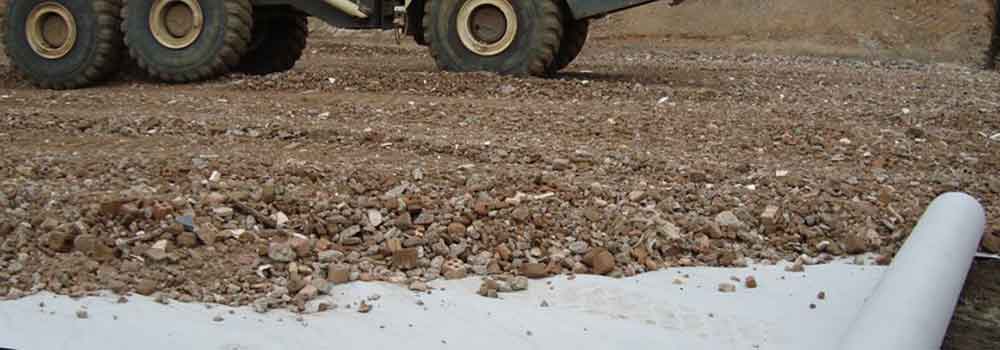
Class A geotextile is used as a separation layer beneath 1 m of aggregate/rock fill, while Class B geotextile is used as a filtration layer placed beneath dikes. Class A and Class B geotextiles can be woven or non-woven, made of UV-resistant polypropylene or polyester. Class A and Class B geotextiles must be protected against […]