


Geotextile Selection: Key Factors to Consider

Geotextile selection requires several important considerations. Reviewing these key factors helps you make the right decision for a project. Consider the following factors:

Function
Determine the geotextile’s primary purpose: filtration, separation, reinforcement, drainage or erosion control. Ensuring that the selected geotextile matches the intended function is essential for optimal performance.
Related: HDPE Geomembrane: Specifications and Advantages
Material Quality
Evaluate the quality and durability of the geotextile material. A high-quality material resistant to chemicals, UV exposure and tearing will last longer and perform better.

Strength and Stiffness
Consider the required strength and stiffness of the geotextile. Based on bearing capacity and structural requirements, select a geotextile with suitable tensile strength, puncture resistance and flexibility under load.
Related: What Is Cocomesh? Functions and Installation
Permeability
Permeability must suit the project requirements. Geotextile allows water to pass while retaining soil particles, ensuring suitable drainage and filtration.
Compatibility
Ensure that the geotextile is compatible with other project materials. Consider its suitability for the surrounding environment, backfill material and other construction elements. Compatibility supports the integrity and effectiveness of the geotextile system.
Environmental Impact
Consider an environmentally responsible geotextile. Review its carbon footprint, recyclability and environmental effects. Selecting a geotextile with minimal environmental impact supports sustainability.
Cost Effectiveness
Evaluate the geotextile’s cost effectiveness. Consider both the upfront cost and long-term effects, including potential savings from using a quality geotextile that requires less maintenance and replacement during its service life.
By considering these factors, you can confidently select a geotextile that meets your project requirements.
Other Articles
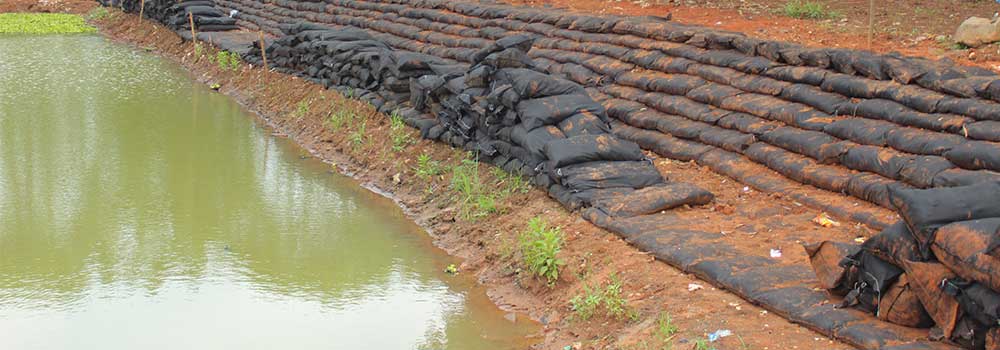
Geobag Dike Design for Ponds and Flood Control
A dike is an earth structure built to hold back water or other liquids on one side, and geobag dike design offers a simple way to build one. With a dike, liquid is held back so it does not overflow into unwanted areas. Dikes do not only hold back water but also liquid mud. One […]
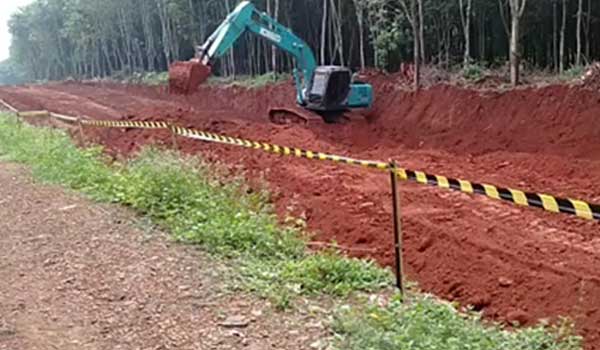

Geosynthetics in Mining Areas
Mining Areas The mining sector operates many different kinds of areas, such as exploitation areas, haul roads, storage areas (stockpiles), treatment areas (tailings) and so on. These areas carry risks of waste (pollution) and structural damage. To deal with these risks, existing conditions in the mine need protection and reinforcement. One solution is to use […]