


Geocell: Innovative Technology for Resilient Construction

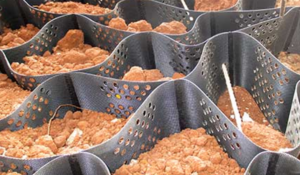
Geocell is a three-dimensional structure made from perforated polyethylene or other synthetic materials. It is used to reinforce and protect soil, prevent erosion and improve the stability of structures. Thanks to its unique properties, geocell for construction has become a reliable tool in building projects across Indonesia.

Advantages of Geocell for Construction
- Improved Soil Stability: Geocell acts as soil reinforcement, spreading loads evenly and reducing the risk of ground shifting or settlement. This is especially important for roads, railways and other structures that need a strong foundation.
- Erosion Prevention: Geocell prevents soil erosion caused by wind, water or human activity. Its three-dimensional structure holds the soil in place and prevents landslides or loss of the topsoil layer.
- More Efficient Construction: Compared with traditional methods, geocell can make construction more efficient. Its fast installation and ability to adapt to different soil conditions keep projects running smoothly.
- More Affordable Costs: Although the initial investment in geocell may be higher, its long-term use can save on maintenance and repair costs. Geocell has a long service life and is more resistant to damage.
Geocell Applications in Indonesia
Geocell has been widely used in a variety of construction projects in Indonesia, including:
- Roads and toll roads
- Railway construction
- Cliff and slope reinforcement
- Dams and hydraulic structures
- Land reclamation and coastal protection projects
With these advantages, geocell is an increasingly popular solution among contractors and developers in Indonesia.
The Role of Geocell in Infrastructure Development
Strong, durable infrastructure is key to sustainable development in Indonesia. Geocell plays an important role in delivering more reliable and efficient infrastructure.
Strengthening Road and Railway Foundations
One of the main applications of geocell is in road and railway construction. Its three-dimensional structure improves soil stability, prevents settlement and reduces the risk of damage from weather or overloading.
- Highway Applications: Geocell can be used as a foundation or base layer for highways. Its strong, durable structure helps maintain road integrity, reduces the need for repairs and improves safety for road users.
- Railway Use: In railway construction, geocell strengthens the foundation and reduces the risk of track shifting or settlement. This is essential for safe and comfortable journeys.
Reinforcing Cliffs and Slopes
Erosion and landslides on cliffs or slopes can damage infrastructure and endanger lives. Geocell tackles this problem effectively by improving soil stability and preventing ground movement.
- Cliff Reinforcement: Geocell can be used as reinforcement for cliffs, preventing landslides and preserving structural integrity. This is vital for roads, railways and other projects that involve cliffs.
- Slope Stabilization: On slopes prone to erosion, geocell holds the soil and prevents movement. This helps keep structures stable and reduces the risk of damage.
Building Resilient Hydraulic Structures
In hydraulic projects such as dam construction, geocell plays an important role in strengthening structures and preventing water damage.
- Dam Reinforcement: Geocell can be used as a protective layer on dams, increasing the structure’s resistance to erosion and water pressure.
- Reclamation and Coastal Protection: Geocell is effective in reclamation and coastal protection projects, helping to prevent erosion and strengthen structures.
With the right use of geocell, Indonesia can build more resilient and longer-lasting infrastructure that supports sustainable economic growth.
Geocell Technology Keeps Evolving
Innovation in geocell technology continues, opening up new opportunities for more efficient and sustainable construction.
Improved Geocell Materials and Design
Geocell manufacturers keep investing in research and development to improve the quality of their materials and product designs. This includes the use of stronger, more durable and more environmentally friendly materials.
- Innovative Polymer Materials: Today’s geocells are made from polymers such as perforated polyethylene, which offer better strength, durability and flexibility.
- More Effective Three-Dimensional Design: The geocell structure keeps being refined to improve soil reinforcement and prevent erosion more effectively.
Integration with Other Technologies
Geocell can also be combined with other technologies to improve its performance in construction.
- Combination with Geotextile: Using geocell together with geotextile can improve soil stability and drainage capacity.
- Sensors and Monitoring: Installing sensors in geocell can help monitor the condition of a structure and enable more effective maintenance.
Developing Innovative Applications
Beyond traditional applications, geocell is also being explored for more innovative uses in construction.
- More Efficient Road Construction: Geocell can be used to build roads faster, more cost-effectively and with greater durability.
- Environmentally Friendly Projects: Geocell can be used in projects focused on sustainability, such as green building construction and sustainable infrastructure.
As geocell technology continues to develop, Indonesia has the opportunity to build stronger, more efficient and more environmentally friendly infrastructure in the future.
Challenges and Opportunities for Geocell in Indonesia
Although geocell offers many advantages, there are several challenges to its adoption in Indonesia. With the right strategy, however, these challenges can be overcome and the opportunities for geocell can be maximized.
Challenges of Using Geocell
- Limited Understanding: Some stakeholders still do not fully understand the benefits and potential of geocell in construction. Broader education and outreach are needed to increase adoption of this technology.
- Relatively Higher Price: The initial investment in geocell can be higher than traditional methods. However, the lower long-term costs should be taken into account.
- Availability of Skilled Workers: Contractors and construction workers need training and skills development to ensure geocell is installed and used correctly.
Opportunities for Using Geocell
- Growing Infrastructure Needs: Economic growth and a rising population in Indonesia are driving demand for strong, durable infrastructure, where geocell can offer an effective solution.
- Focus on Sustainability: More and more construction projects prioritize sustainability, and geocell can be an environmentally friendly solution.
- Government Support: The Indonesian government has shown its commitment to building resilient and sustainable infrastructure. This could open the door to wider use of geocell.
By addressing the existing challenges and seizing the available opportunities, Indonesia can make the most of geocell in building stronger, more efficient and more environmentally friendly infrastructure.
FAQ: Using Geocell in Indonesia
What Is Geocell?
Geocell is a three-dimensional structure made from perforated polyethylene or other synthetic materials. It is used to reinforce and protect soil, prevent erosion and improve the stability of structures.
What Are the Benefits of Using Geocell?
Some of the benefits of using geocell are:
- Improves soil stability and prevents erosion
- More efficient construction with long-term cost savings
- Durable and requires minimal maintenance
- Suitable for many construction applications, such as roads, railways, cliffs and hydraulic structures.
How Is Geocell Used in Construction?
Geocell is usually installed as a base layer or foundation in construction projects. Its three-dimensional structure reinforces the soil and prevents shifting or settlement of structures. Geocell can also be used to reinforce cliffs, slopes and hydraulic structures.
What Are the Challenges of Using Geocell in Indonesia?
Some of the challenges of using geocell in Indonesia are:
- Limited understanding among the parties involved
- A higher upfront price than traditional methods
- The need for skilled workers trained in installing and using geocell
What Is the Future Outlook for Geocell?
The outlook for geocell in Indonesia is very good, in line with the growing need for resilient and sustainable infrastructure. With ongoing technological innovation, geocell is set to become an increasingly sought-after solution in future construction projects.
Conclusion
As an innovative construction system, geocell plays an important role in building stronger and more sustainable infrastructure in Indonesia. With its ability to reinforce soil, prevent erosion and improve construction efficiency, geocell has become an increasingly popular solution in infrastructure projects across the country.
Although there are challenges in using geocell, such as limited understanding and higher upfront costs, its long-term benefits are very promising. With government support and continuing technological progress, Indonesia has a great opportunity to make the most of geocell in building resilient, efficient and environmentally friendly infrastructure.
Other Articles

Railway Track Construction with Geosynthetics
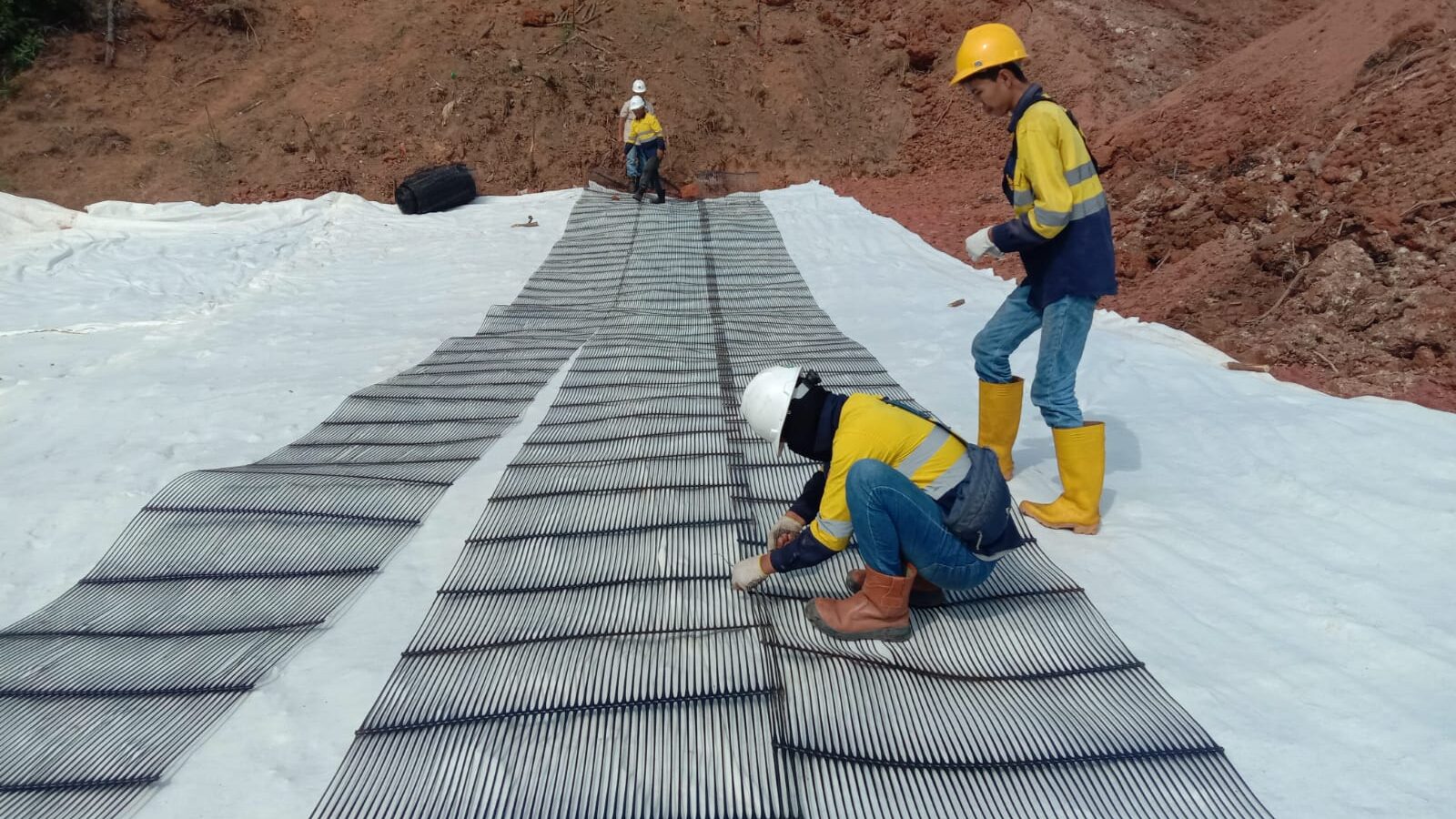
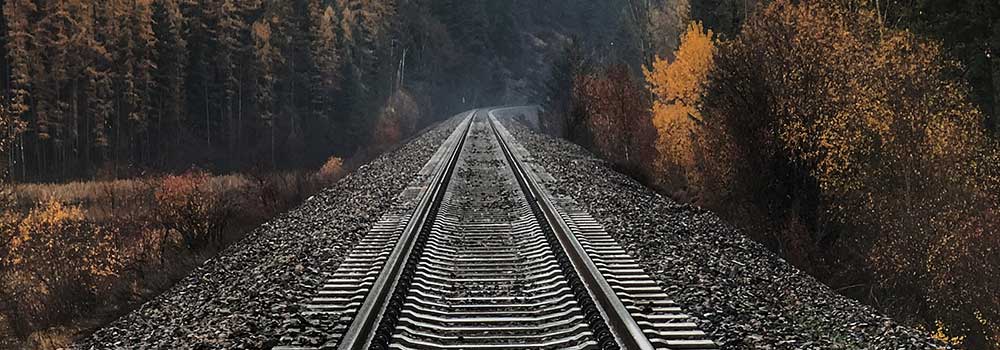
A railway track is the track structure that provides the route for trains or electric trains. Building or preparing a railway requires solutions, innovation and the latest technology to support the reinforcement and fitness of the track structure, and railway construction geosynthetics provide exactly that. Geosynthetics can be the solution and innovation, using materials such […]