Geocell Retaining Walls: Design and Applications
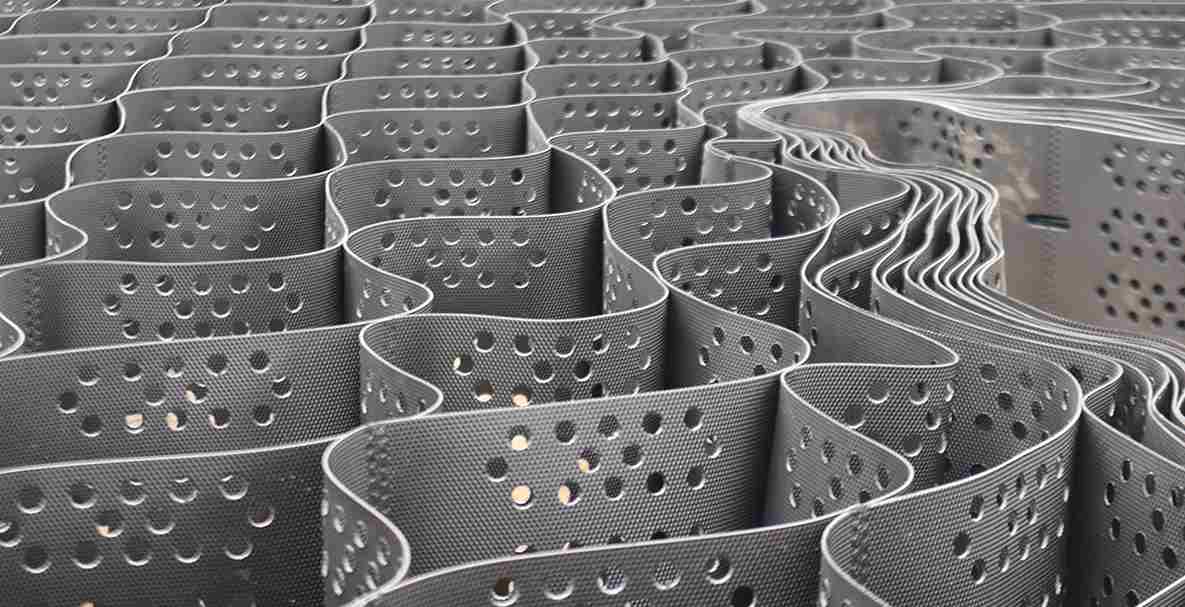

Geocell retaining wall
Geocell is an innovative technology used for soil reinforcement and slope stabilization. In this context, geocell retaining walls are an important civil engineering application for retaining soil and preventing landslides. With the right material, geocell can increase soil-bearing capacity and provide better protection against erosion.
Geocell
In civil engineering, the concept of geocell has developed rapidly alongside advances in material technology. Geocell is a cellular structure made from a polymer material, typically HDPE (High-Density Polyethylene), designed to reinforce soil and support various construction applications.
Geocell can be used in various soil and environmental conditions, providing considerable flexibility. One of the main advantages of using geocell is its ability to distribute loads evenly, reducing pressure on the soil layers beneath it. This is particularly beneficial for projects requiring additional stability, such as roads, bridges, and retaining walls.
Advantages of Using Geocell
Using geocell in construction projects offers several significant advantages. First, geocell provides a cost-effective solution compared with other conventional methods. By reducing the need for additional materials such as concrete or stone, the overall project cost can be lowered.
Second, geocell is also easy to install. Its cellular structure can be assembled quickly at the construction site, saving time and labor. This straightforward installation process is especially beneficial for large-scale projects.
Third, the resistance of geocell to extreme weather conditions makes it ideal for use in various environments. Whether the area is dry or wet, geocell maintains its structural integrity and provides the required protection.
Geocell Applications
The use of geocell is not limited to retaining walls and soil stabilization. This technology can also be applied to access road construction, erosion control, and even decorative landscaping elements. For example, geocell for roads can help create a stronger, more durable surface.
In addition, geocell is useful in agricultural applications, where it can improve drainage and soil fertility. With its ability to support vegetation growth, geocell is an effective tool for land rehabilitation.
What Is Geocell?
What exactly is geocell? In technical terms, geocell is a soil reinforcement system consisting of interconnected cells. Its constituent material, generally HDPE, provides the strength and flexibility needed to support applied loads.
The geocell manufacturing process begins by extruding polymer material into thin sheets. These sheets are then folded and arranged into a cellular network to create a strong three-dimensional structure. The result is a lightweight yet robust product capable of supporting heavy loads while maintaining the stability of the surrounding soil.
Geocell Structure and Design
One of the most important aspects of geocell design is cell size and shape. Cell dimensions can be adjusted to meet specific project requirements. The larger the cell, the more soil or aggregate it can hold, thereby increasing bearing capacity.
The geocell design must also account for factors such as excavation depth and soil type. For weaker soils, geocell with smaller cells may be more effective, while more stable soils can use geocell with larger cells.
Field Application of Geocell
Applying geocell in the field requires a thorough understanding of local soil conditions and project objectives. Before geocell installation, a soil analysis must be conducted to determine the most suitable geocell type and size.
After geocell has been installed, routine maintenance is needed to ensure the system continues to function properly. This includes checking the material for physical damage and ensuring no material settlement interferes with geocell performance.
Geocell Retaining Walls
Geocell retaining walls are among the most popular geocell applications. These retaining walls are designed to hold back the soil mass behind them, preventing landslides and erosion. A geocell system enables retaining walls to be built more efficiently and economically than conventional methods such as concrete.
The main advantage of a geocell retaining wall is its ability to absorb and distribute loads. Without a strong retaining wall, the soil behind it can experience excessive pressure and collapse. With geocell, however, the load is distributed evenly, reducing the risk of failure.
Geocell Retaining Wall Construction
Building a geocell retaining wall involves several important steps. First, the proposed retaining wall area must be cleared and prepared. Ensure the ground surface is level and free from vegetation or debris that could interfere with installation.
Next, the geocell must be installed and reinforced with soil or aggregate. Once the geocell is in place, layers of soil are filled into the geocell cells to provide additional structural strength.
Geocell Retaining Wall Maintenance
Once construction is complete, a geocell retaining wall requires periodic maintenance to ensure optimal performance. This maintenance includes inspecting for damage and potential erosion around the retaining wall.
It is important to monitor early signs of damage, such as cracks or soil displacement. If a problem is found, repair it immediately before it becomes more serious. In many cases, proper maintenance can extend the service life of the retaining wall and preserve its functionality.
HDPE Geocell
HDPE geocell is a type of geocell made from high-density polyethylene, a plastic known for its strength and resistance to various environmental conditions. Using HDPE to manufacture geocell provides additional durability and affordability.
HDPE has properties that make it resistant to UV radiation, chemicals, and moisture, making it an ideal choice for outdoor applications. When used in construction projects, HDPE geocell can last a long time without losing its structural integrity.
HDPE Characteristics and Benefits
The strength and flexibility of HDPE geocell make it suitable for various applications. Besides retaining walls, HDPE is also commonly used for erosion control, slope stabilization, and road construction. These characteristics allow geocell to meet a variety of project requirements.
One of the greatest benefits of HDPE geocell is its ability to reduce construction costs. By reducing the need for other materials such as concrete or stone, using HDPE geocell can generate significant savings in total project costs.
HDPE Geocell Manufacturing Process
The HDPE geocell manufacturing process begins by processing raw materials into thin sheets. These sheets are then formed into a cellular network through heating and molding. Once this process is complete, the final product is ready for use in construction projects.
The quality of the raw material used must be considered carefully. High-quality HDPE directly affects the performance and durability of the resulting geocell. Therefore, choosing a reliable supplier is a crucial step in obtaining a quality product.
Geocell Slope Protection
Geocell slope protection is a specific geocell application designed to protect slopes from erosion and landslides. Under certain conditions, soil can become highly vulnerable and prone to movement, particularly when exposed to heavy rain or strong water flow. Using geocell can help maintain slope stability and reduce these risks.
By using geocell to protect slopes, we can create a system that retains soil while allowing water to flow safely. This is important to prevent further damage caused by uncontrolled water flow.
Installing Geocell for Slope Protection
Installing geocell slope protection requires a careful approach. Before installing geocell, it is important to conduct a soil analysis and drainage study to understand how water moves through the area.
When installing geocell, ensure the ground is leveled first. Then position the geocell correctly and fill its cells with soil or aggregate to increase bearing capacity.
Effectiveness of Geocell Slope Protection
The success of geocell slope protection can be assessed by the level of protection it provides over time. By implementing this system, many projects have successfully reduced soil loss caused by erosion.
Therefore, using geocell for slope protection is not only an investment in safety but also in environmental sustainability. By keeping soil intact, we can protect local ecosystems and prevent losses caused by natural disasters.
Geocell and Geogrid
Geocell and geogrid combine geocell technology with geogrid to reinforce soil. Geogrid is a polymer mesh designed to distribute loads evenly. Combining these two technologies can produce a stronger, more effective system for overcoming construction challenges.
The advantage of the geocell and geogrid combination lies in its ability to improve soil stability and accelerate construction. When used together, geocell helps carry the load while geogrid distributes it evenly across a larger area.
Implementing Geocell and Geogrid in Construction
When implementing geocell and geogrid, the first step is to analyze the soil to determine its strength and the required material type. The geocell and geogrid can then be installed together to create a strong foundation.
This installation process usually involves arranging geocell over the ground and reinforcing it with geogrid. Soil or aggregate is then filled into the geocell cells to provide additional stability.
Advantages of Using Geocell and Geogrid
One advantage of using geocell and geogrid is the ability to reduce overall construction costs. Combining these two technologies can save on additional materials normally required for soil reinforcement.
In addition, this combination provides greater resistance to soil deformation, thereby reducing the risk of damage to the structure above. This is an important added value in large projects where soil stability is a top priority.
Geocell for Roads
Geocell for roads is a geocell application focused on providing additional support to road infrastructure. Roads built on soft or unstable soil frequently experience damage such as cracking and deformation. By using geocell, we can increase road strength and bearing capacity, thereby reducing the risk of damage.
In road construction, geocell acts as a reinforcement layer that helps distribute vehicle loads evenly. Consequently, geocell can extend road service life and reduce long-term maintenance costs.
Installing Geocell in Road Infrastructure
The process of installing geocell for roads usually begins with ground surface preparation. The road construction area must be cleared and leveled. The geocell is then installed correctly over the ground surface.
Once the geocell is in place, aggregate or soil is filled into the geocell cells to provide additional strength. It is important to arrange this layer correctly so that loads are distributed evenly and road stability is maintained.
Long-Term Benefits of Geocell for Roads
The long-term advantages of using geocell for roads are significant. Increasing road-bearing capacity can reduce the required maintenance frequency, which in turn can lower operating costs.
In addition, using geocell also contributes to environmental sustainability. By reducing the use of materials such as concrete, we can minimize the carbon footprint of construction projects. This is a positive step toward more environmentally responsible and sustainable development.
Geocell Ground Grid
A geocell ground grid is a geocell system specifically designed to stabilize ground surfaces. The ground grid serves as a support structure that reinforces the underlying soil and prevents damage caused by excessive pressure or loads.
Using a geocell ground grid is highly beneficial in construction projects requiring additional support at the ground surface. These include parking areas, fields, and road networks that need a strong structure to support vehicle loads.
Installing a Geocell Ground Grid
The installation process for a geocell ground grid is similar to that of other geocell systems. First, the grid installation area must be properly prepared. The ground surface must be leveled and cleared of debris.
The geocell is then installed and reinforced with soil or aggregate. Afterward, the grid is filled with additional material to provide further support and stability. This technique helps distribute loads evenly throughout the area.
Effectiveness of Geocell Ground Grids
One notable aspect of a geocell ground grid is its effectiveness in improving soil performance. By providing a strong support structure, a ground grid can significantly reduce soil deformation and damage caused by heavy loads.
Using geocell also helps control erosion, keep the ground surface intact, and protect the surrounding environment. This makes a geocell ground grid an ideal solution for various construction applications, delivering optimal and sustainable results.
Geocell Internet
The concept of geocell internet refers to applying geocell technology to infrastructure that supports internet services, particularly to improve soil stability and bearing capacity at network equipment installation sites.
Using geocell internet, we can create a stronger base for installing poles or towers that support communications networks, thereby improving the reliability and performance of the services provided.
Installation and Integration Plan
An installation plan in the context of geocell internet requires an in-depth analysis of the proposed construction site. Identifying the soil type and environmental conditions is the first step before proceeding with geocell installation.
Once the analysis is complete, the geocell can be installed in the designated area. The hardware required for the internet network can then be placed on top of the geocell to ensure stability and operational efficiency.
Positive Impact of Geocell Internet
Implementing geocell internet has a significant positive impact on improving the speed and reliability of internet connections. By providing a strong base for network-supporting structures, we can reduce the risk of disruptions caused by ground damage.
In addition, using this technology supports the development of more sustainable infrastructure. By utilizing local resources and reducing the need for heavy construction materials, we can create a more environmentally responsible network system.
Geocell eSIM
Geocell eSIM refers to applying geocell technology within a digital platform, enabling more efficient data management and analysis in construction projects. By using a geocell system integrated with information technology, we can track the performance and effectiveness of geocell in construction applications.
The geocell eSIM system allows engineers and architects to conduct more thorough evaluations of their project outcomes. The collected data can be used to optimize future design and implementation.
Data Collection and Analysis
Data collection in the context of geocell eSIM is conducted through sensors and IoT (Internet of Things) devices placed at the project site. This information covers various parameters, such as soil pressure, moisture, and temperature, all of which can affect geocell performance.
Analyzing this data provides valuable insights to the project team, allowing them to make better, fact-based decisions. It also helps predict potential problems that could arise during construction and post-construction phases.
Project Management Benefits
One of the main advantages of implementing geocell eSIM is greater project management efficiency. By using information technology, teams can communicate and share information in real time, improving collaboration across disciplines.
Using geocell eSIM also supports project sustainability by reducing wasted materials and time. This enables faster, more efficient project completion and benefits all parties involved.
Geocell Materials
Geocell materials refers to the various substances used to manufacture geocell. These materials must meet high quality standards to ensure the performance and durability of the final product. Polymers are generally used as the raw material, with HDPE being the most popular choice.
The choice depends not only on material strength but also on its resistance to environmental factors such as UV radiation, moisture, and extreme temperatures.
Types of Geocell Material
Various geocell materials are available on the market, each with different characteristics and applications. Besides HDPE, other commonly used materials include polypropylene and polyester.
Each material has its own advantages and disadvantages, and choosing the right one is essential for a specific application. For example, polypropylene is lighter and more flexible but may not be as strong as HDPE under certain conditions.
The Role of Material Quality in Geocell Performance
The quality of the geocell material directly affects product performance and durability. Using low-quality materials can lead to premature damage and structural failure, which will negatively affect the larger project.
Therefore, testing and certifying the materials used is essential to ensure that geocell can meet existing project demands. Choosing a reliable supplier is an important step in ensuring the quality of the materials used.
Geocell Driveways
A geocell driveway is a geocell application used to build vehicle access routes, such as residential driveways. With geocell, we can create a strong, stable surface that withstands vehicle loads while reducing the risk of damage caused by soil pressure.
One of the main benefits of using a geocell driveway is its ability to distribute loads evenly, reducing the likelihood of damage or deformation along the access route.
Geocell Driveway Construction
Building a geocell driveway begins with thorough preparation of the proposed area. The soil must be cleared, leveled, and compacted before laying the geocell. Once the geocell is installed, soil or aggregate is filled into its cells to provide additional support.
It is important to ensure that the layer above the geocell is properly designed to distribute vehicle loads evenly. In this way, we can increase the strength and durability of the access route.
Long-Term Benefits of Geocell Driveways
Using a geocell driveway offers several long-term advantages. First, maintenance costs can be minimized due to the durable and robust nature of geocell. Second, using this system also contributes to environmental sustainability by reducing the need for heavy construction materials.
Furthermore, a geocell driveway offers an aesthetically appealing alternative because it can be filled with various materials, such as sand, gravel, or grass. This provides design flexibility and creates a distinctive appearance for each project.
The Importance of Technical Support
Technical support in the context of geocell contact is another equally important aspect. Suppliers must always be ready to provide users with technical assistance and guidance on geocell installation and maintenance.
This includes providing information on technical specifications, correct installation procedures, and tips for maintaining geocell system performance. With the right support, users can maximize the potential of the geocell used in their projects.
Geocell Foam Glass
Geocell foam glass is a combination of geocell technology and foam glass used in construction applications. Foam glass, made from recycled glass, provides excellent thermal and acoustic insulation and is an environmentally responsible material.
In a geocell system, foam glass can be used as infill in the geocell cells to increase bearing capacity and provide additional stability to the structure built above it.
Advantages of Combining Geocell and Foam Glass
Combining geocell foam glass provides several significant advantages. First, it delivers superior thermal and acoustic insulation, which is highly beneficial in urban projects where noise is a concern.
Second, using foam glass as infill helps reduce the structure’s overall weight, simplifying installation and reducing pressure on the underlying soil.
Geocell Foam Glass Applications in Projects
An example of a geocell foam glass application can be found in multistory building construction, where foundation loads must be reduced. This combination can create a lighter structure that remains strong and stable.
Furthermore, applying this technology contributes to project sustainability because recycled materials are used to produce foam glass. This is a positive step toward more environmentally responsible development.
Geocel Caulk
Geocel caulk is a sealant product used in construction applications to fill gaps and cracks in buildings and structures. Although it is not directly related to geocell technology, caulk is important for maintaining structural integrity in areas susceptible to leaks or water infiltration.
Sealants such as Geocel caulk fill gaps around windows, doors, and other structural joints. This helps reduce energy loss and improve a building’s thermal efficiency.
Types of Geocel Caulk
Various types of Geocel caulk are available, each designed for a specific purpose. Some formulations are better suited to outdoor applications, while others perform better indoors. Choosing the right product for a particular application is essential for ensuring maximum performance.
The Importance of Sealant Maintenance
Routine maintenance of Geocel caulk is also important. Unaddressed cracks or leaks can cause more serious problems, such as water damage or energy loss. Periodically replacing damaged or worn sealant will maintain the product’s effectiveness in protecting the building structure.
Geocell Price
Questions about geocell price frequently arise in discussions about using geocell in construction projects. The price of geocell varies according to several factors, including the material type, size, and quantity purchased.
In general, the initial cost of purchasing and installing geocell may be higher than that of conventional methods. However, when long-term benefits such as maintenance savings and increased bearing capacity are considered, the investment is often justified.
Factors Affecting Geocell Prices
Several factors affecting geocell price include raw material quality, production technology, and transportation costs. Geocell made from high-quality polymers may cost more but offers better performance and greater durability.
Strategies for Reducing Costs
To reduce the cost of using geocell, construction companies can look for suppliers offering competitive prices. Purchasing in bulk can also reduce the cost per unit, generating significant savings across the total project.
By applying the right strategy and considering long-term benefits, project owners can make better-informed decisions about investing in geocell technology.
Conclusion
Using geocell in various construction applications demonstrates the importance of this technology in improving soil stability and bearing capacity. From geocell retaining walls to geocell driveways, each application offers distinct benefits and advantages.
This technology continues to develop alongside advances in materials and design, offering better and more efficient solutions to civil engineering challenges. By understanding the various aspects of geocell use, we can achieve optimal results in sustainable and environmentally responsible construction projects.
Other Articles
Drainage Cell: Benefits, Functions and Applications
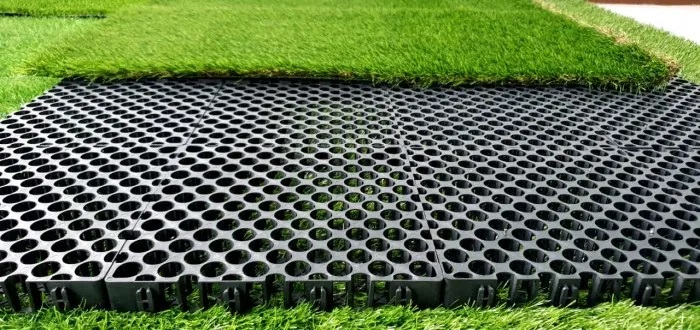
Drainage Cell: Benefits, Functions and Applications in Modern Drainage Systems In modern urban development, effective and sustainable drainage systems are essential. One technology that has emerged as an innovative solution is the drainage cell. This article takes a closer look at the drainage cell, including its benefits, functions and applications in modern drainage systems. Let’s […]

Geomembrane Pipe Boot Design for Leak Resistance
There are many variations of geomembrane boots. This article focuses on the most common type of geomembrane pipe boot and describes in detail the common problems and proposed solutions for achieving leak resistance. Many other variations of geomembrane boots and structures that have been or will be built in the field are not specifically discussed […]