


Mechanically Stabilized Earth Wall (MSE Wall)

When a slope is no longer financially economical or technically feasible, a retaining wall is chosen instead. One type of retaining wall is the
MSEW (mechanically stabilized earth wall), a retaining wall that is stabilized mechanically, hereafter called an MSE wall.

Basically, an MSE wall consists of reinforcement within the soil fill that helps resist lateral earth pressure. Compared with conventional retaining walls, MSE walls are widely used because they have several advantages. MSE walls are more flexible than ordinary retaining walls such as concrete cantilever walls or gravity retaining walls. MSE walls are better suited to areas with poor foundation soil and seismically active areas.

Mechanically stabilized earth retaining wall
MSE walls use several types of reinforcement materials, including galvanized or epoxy-coated mild steel and geosynthetics. MSE walls can also be reinforced with geosynthetic reinforcement (geotextile and geogrid).
Functions and Applications of Mechanically Stabilized Earth Walls
MSE wall structures, including those reinforced with geosynthetics, can be considered an effective alternative to conventional gravity walls, concrete cantilevers or retaining walls reinforced with metallic strips.
Geosynthetics offer a very versatile and economical solution compared with metallic strips, especially in different environments. The maximum height of geosynthetic-reinforced walls is only around 15 m – 22 m, while with metallic strips it can exceed 30 m.
Other Articles
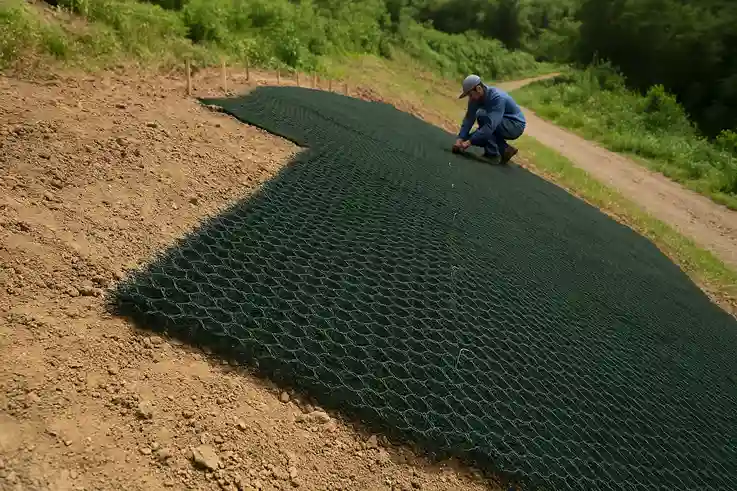

Choosing Geosynthetics for Slope Protection
Slopes are very common in geotechnical construction. Slopes need reinforcement and protection, because there is always a risk of landslides caused by erosion on the slope. To prevent landslides and reduce erosion, geosynthetics for slope protection can be used to reinforce and protect the slope surface. This time we will discuss the geosynthetic products that […]
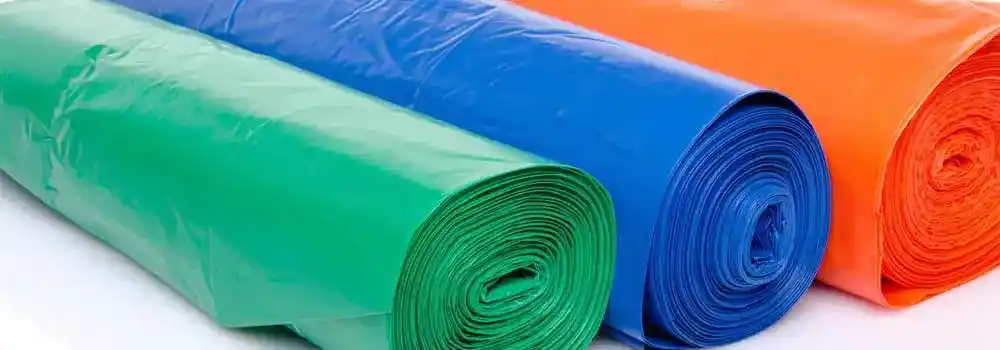
Tarpaulin Price List: Types, Grades and Sizes
Most people are familiar with tarpaulin. Tarpaulin is a plastic-like sheet that is impermeable to water. Today it is widely used as a base material for ponds or as a roof covering against heat and rain. Tarpaulin is usually sold per square meter and per roll, and this tarpaulin price list shows how prices differ […]