Pond Liner: Types and Installation Guide
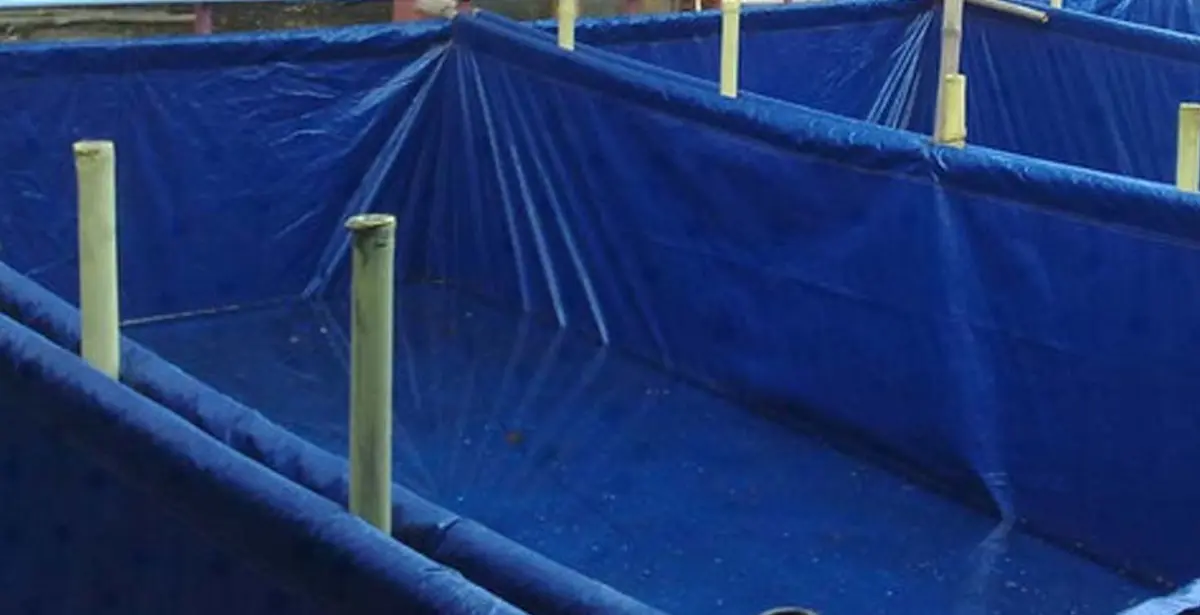
A pond liner is one of the most important elements in building and maintaining a pond, whether for commercial use or as a hobby. Using a tarpaulin liner as the base of a pond offers many advantages, from easy installation to lower costs than traditional building materials such as cement or fibreglass. In this article, we explore the different aspects of pond liners, including the types available, pond liner installation, and the pros and cons of using them.
Types of Pond Liner
Before learning how to install a pond liner, it is important to understand the different types available on the market. Each type has unique characteristics that can influence which liner is right for our pond.
PVC Liner
PVC liner is one of the most popular types of liner used for ponds.
It is made from polyvinyl chloride, which is very durable and weather resistant. The main advantage of a PVC liner is its ability to hold water without leaking. Its surface texture also makes it easy to clean and maintain.
Pond liner: types and installation
However, there are a few things to keep in mind when using a PVC liner. Despite its durability, it can become brittle when exposed to direct sunlight for long periods. That is why it is important to consider the pond’s location and provide extra protection if needed.
HDPE Liner
HDPE (High-Density Polyethylene) liner is another popular choice for ponds.
This material is highly resistant to chemicals and UV, making it suitable for outdoor use. One advantage of an HDPE liner is its flexibility, which allows easier and faster installation.
Pond liner: types and installation
Although HDPE has many advantages, it also has some drawbacks to consider. The material tends to be more expensive than PVC liner and may not be as strong as PVC in withstanding high water pressure.
Tarpaulin Liner
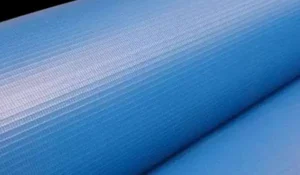
Tarpaulin is a very common type of sheet used for many purposes.
It is known for its toughness and durability. Tarpaulin also has a waterproof coating that helps prevent leaks. Another advantage is the wide range of sizes and colours available, so we can choose one that suits the look of the pond.
Pond liner: types and installation
Although tarpaulin offers many benefits, it may not be as strong as PVC or HDPE liners over the long term. It is therefore important to weigh other factors before deciding to use this type of liner.
Pond Liner Installation Steps
After understanding the different types of pond liner, the next step is learning how to install the liner correctly. Proper installation ensures the pond works well and lasts a long time.
Preparing the Pond Site
Before installing the liner, we need to prepare the pond site.
The first thing to do is choose the right location. Make sure the selected area has no sharp stones or other objects that could damage the liner. Also make sure the ground beneath the liner is level enough for the pond to sit stably.
Once the location is set, clear the area of rubbish and grass. If necessary, dig out some soil to reach the desired pond depth. Make sure the depth suits the type of fish or aquatic plants you want to keep.
Cutting and Laying the Liner
With the area ready, the next step is cutting and laying the pond liner.
Take a liner that matches the size of the prepared pond. Measure the width and length of the pond area, then cut the liner to size. It is important to leave a little extra on each side so the liner can be folded and secured firmly to the edge of the pond.
Next, spread the cut liner over the prepared area. Make sure it is positioned correctly and that there are no folds that could disrupt water flow in the pond. Once the liner is in place, press down along the edges to keep it in position.
Filling the Pond with Water
Once the liner is neatly in place, the final step is filling the pond with water.
Start by filling the pond slowly so the liner can adjust to the water pressure. Fill the pond to the desired depth and check that there are no visible leaks. If you find a leak, repair it immediately by patching the damaged area with special liner adhesive or a patch.
Also be sure to inspect the whole pond once it is full. If everything is in order, the pond is ready for use, for example for fish farming or as a relaxing feature in your garden.
Pros and Cons of Pond Liners
Like any other product, pond liners have advantages and disadvantages to consider before deciding to use one.
Advantages of Pond Liners
One of the main advantages of a pond liner is its relatively low cost compared with other building materials.
A pond liner makes it possible to have a pond on a limited budget. Liners are also very light and easy to install, so we can do it ourselves without professional help. This makes building a pond faster and more efficient.
Another advantage of a pond liner is that it holds water well. With the right material, the liner keeps the water volume in the pond stable and reduces the risk of leaks. Quality liners are usually resistant to UV damage and extreme weather as well.
Disadvantages of Pond Liners
On the other hand, pond liners also have some drawbacks to keep in mind.
One of the biggest drawbacks is their limited lifespan. Although PVC and HDPE liners are more durable than other liners, they can still deteriorate over time. Factors such as extreme temperatures, UV rays and even pets can shorten a liner’s service life.
In addition, a lined pond tends not to look as attractive as a pond built from concrete or other materials. For those who want a more natural-looking pond, a liner may seem less appealing.
Maintaining a Lined Pond
Once the pond liner is installed, maintenance becomes essential to keep the pond in good condition.
Check for Leaks Regularly
One of the first steps in maintaining a lined pond is checking regularly for leaks.
Leaks can occur at any time, especially if the pond is exposed to direct sunlight or extreme cold. Regular inspections help detect problems early. If you find a leak, repair it immediately so the water volume in the pond does not drop drastically.
Clean the Pond Regularly
Cleaning the pond is also an important part of looking after a pond liner.
Without proper care, a pond can become a breeding ground for algae and other dirt. Clean the pond regularly with a pond vacuum and a brush to remove dirt from the liner walls. Also drain part of the pond water periodically and replace it with fresh water to maintain water quality.
Adding Nutrients and Treatments
If the pond is used for fish farming or aquatic plants, adding nutrients and treatments is also important.
Give the fish enough feed, matched to the number of fish in the pond. Test the water quality regularly as well to make sure the pH and other nutrient levels are optimal. If needed, use treatments to deal with diseases that may affect the fish or plants in the pond.
Conclusion
A pond liner is a practical and efficient way to build a pond, whether for recreation or aquaculture. By understanding the types of liner, how to install them, and their pros and cons, we can make better decisions when planning our pond project.
Good maintenance and attention to detail when choosing and installing the liner will help us enjoy the benefits of the pond for many years. So don’t hesitate to make a pond liner your first choice for creating a private oasis in your own garden.
Other Articles

Choosing Geosynthetics for Slope Protection
Slopes are very common in geotechnical construction. Slopes need reinforcement and protection, because there is always a risk of landslides caused by erosion on the slope. To prevent landslides and reduce erosion, geosynthetics for slope protection can be used to reinforce and protect the slope surface. This time we will discuss the geosynthetic products that […]