


Geotextile Functions in Construction
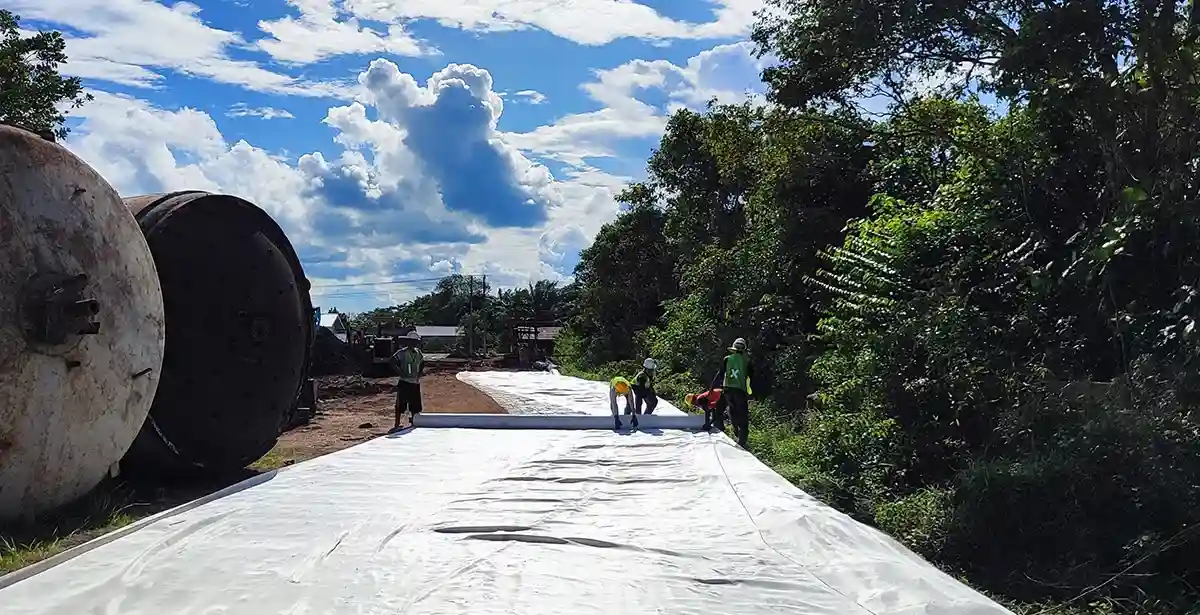
Geotextile is a permeable type of geosynthetic material. Geotextile functions include separation, filtration, protection and reinforcement. It is made from polyester or polypropylene. The two types of geotextile, woven and non-woven, differ in their material and characteristics.
Woven and non-woven geotextiles are made from polyester (PET) or polypropylene (PP) polymers. Non-woven geotextile is carpet-like rather than woven; woven geotextile belongs to the high-strength group, while non-woven belongs to the lower-strength group.
Over the past few years, the use of geotextile has grown rapidly. Initially, geotextiles were made from existing textiles available on the market, such as carpets and upholstery fabrics. They have since been modified to improve their performance in road construction. Although geotextiles fall into two main categories, woven and non-woven, people are often unsure which product is better to use, because most do not know the difference between the two. In this article we discuss the two main types of geotextile and their functions.
Woven Geotextile
To produce a durable fabric, first-generation woven geotextiles were made from slit tape, flat extruded yarns woven at a 90-degree angle. Polypropylene (PP) and polyester (PET) polymers are the raw materials.

Geotextile functions in construction
Woven geotextile is used for subgrade stabilization, especially on soft subgrade. This is because its tensile strength is higher than that of non-woven geotextile, around twice as high for the same weight (gsm) per square metre.
Non-Woven Geotextile
Non-woven geotextile looks like a fabric carpet. It is made from polypropylene (PP) or polyester (PET). Because it resembles carpet, many people call it road carpet.

Geotextile functions in construction
Besides acting as a separator beneath fill, non-woven geotextile also serves as a reinforcement layer that prevents the subgrade from mixing with the fill aggregate above it.
Using the product as a separator and reinforcement layer can improve the shear strength parameters of the soil supporting the structure above.
Geotextile is commonly used in construction. Here are some examples of geotextile functions in construction:
- Railways: it serves as a separation layer that prevents ballast from mixing with the subgrade under fluctuating train loads.
- Reclamation: it is used as a separation layer between the fill material and the subgrade during reclamation.
- Slope Reinforcement: soil is reinforced with layers placed within it so that steeper slopes can be built.
- Erosion Control: in subsurface drainage structures in coastal areas and river basins, and as a filter in subsurface drainage that strengthens slopes.
- Subsurface Drainage: a filter system that uses aggregate as an additional layer within the soil.
- Geotextile is often used to solve problems with earth-retaining structures and is used with or without geotextile pipes in retaining wall structures. This method increases the structure’s ability to carry considerable loads. A study was conducted to find out how much the load capacity increases. In this study, an earth-retaining structure without a geotextile layer was compared with one that had it.
- Geotextile for Landslide Control: This is one use of geotextile for dealing with landslides. Several studies have demonstrated landslide control with geosynthetics or geotextile on road sections and gentle mountain slopes, where it is used to reinforce road embankments. In landslide control, it acts as a separator and reinforces the subgrade, the slopes and the road shoulders.
- Geotextile Functions in Soil Embankments: Geotextile is commonly used to reinforce soft soil because it is a construction material designed for long-term use, with the capacity to carry heavy loads. Geotextile is also widely used for separation, filtration, drainage and protection. Fundamentally, an embankment on soft soil is a bearing capacity problem, and the stability of the embankment at the end of construction must also be considered. This is because soft soil does not allow drainage during construction. Geotextile maintains stability until the soft soil gains strength and can carry the embankment load on its own.
These are some examples of geotextile use in construction. If you need it, we will be happy to help. Contact us right away or talk to us through this website.
Other Articles
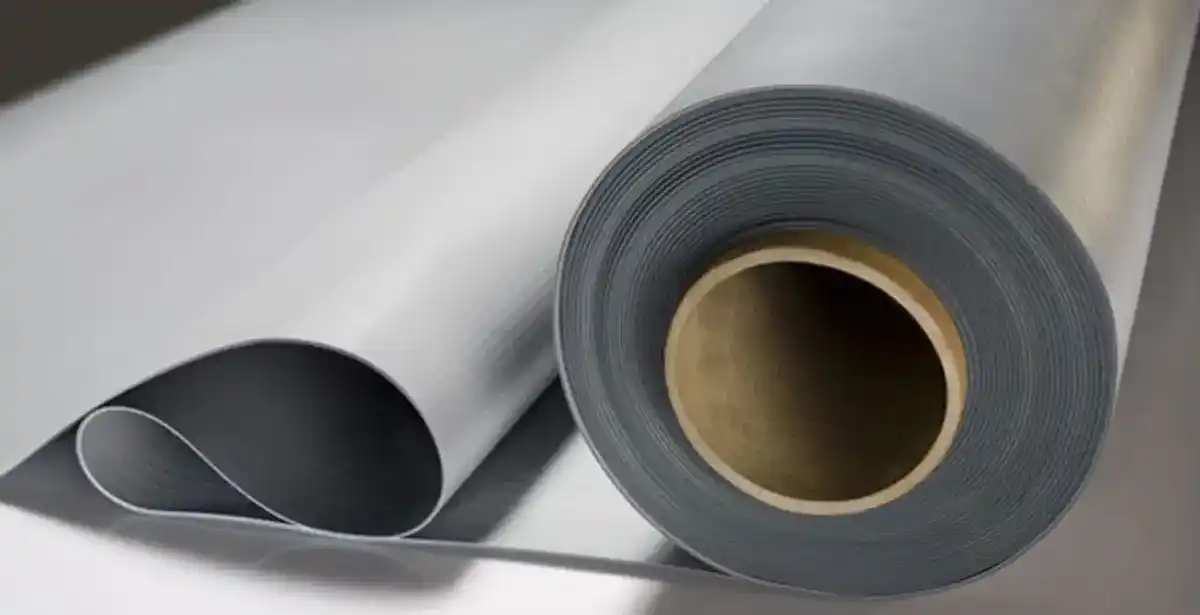
HDPE and PVC Geomembranes: Key Differences
Geomembrane liners, which retain water and protect reservoirs from leaks, are among the most important materials to consider when building a reservoir. Several types of geomembrane are available, but the two most commonly used are PVC (polyvinyl chloride) and HDPE (high-density polyethylene). Which of the HDPE and PVC geomembranes is better for reservoir construction: PVC […]

Blue Pond Liner: Geomembrane Color Benefits
What Is a Blue Pond Liner or Blue Waterproof Liner? A Blue Pond Liner is a type of geomembrane specially manufactured in blue. This geomembrane functions like a standard geomembrane, but can enhance the aesthetic value of infrastructure compared with a standard geomembrane. Blue is chosen to improve visual appeal when the geomembrane is under […]