


Woven and Non-Woven Geobag Price List 2026

Coastal abrasion and river erosion are environmental problems that need the right solution, because the scouring they cause can lead to significant losses. Both can be anticipated with geobags. But what is the current geobag price?

Geobags are considered a practical and economical solution to soil erosion and coastal abrasion. With quality geobag products, river currents and wave impact can be blocked effectively.
Using Woven and Non-Woven Geobags to Prevent Abrasion and Erosion
Given how useful geobags are for protecting the environment, it is no surprise that more and more people use geobag sacks for a wide range of needs. Geobags are frequently used to prevent coastal abrasion.
Read Also: What Is a Geobag?
Moreover, with a fairly affordable price, geobag sacks are not only used to prevent coastal abrasion and riverbank erosion. They can also be used as dikes to retain fill material and in wetland construction.

For those who don’t know yet, a geobag is a geotextile product shaped like a sack or pillow, sewn on two sides with one side left open so it can be filled. The fill material is usually sand, gravel or soil.
Even so, many people use sand because it is considered more effective at holding back water. Once filled, the geobag is sewn shut. Geobags are made of woven and non-woven geotextile. So what is the difference between the two materials?
Woven Geobag Price
A woven geobag is made of woven material, a type of geotextile with woven polyester fibers. It is usually black and looks similar to a plastic rice sack.

Woven Geobag Price
| Size (Capacity) | Dimensions (± cm) | Material | Price per pc (IDR) | Notes |
|---|---|---|---|---|
| 2 m³ | 100 x 150 | Woven PP 200 gsm | 60,000 – 85,000 | Bank and riverbank protection |
| 3 m³ | 120 x 180 | Woven PP + UV coating | 90,000 – 120,000 | Coastal reclamation, wave abrasion |
| 5 m³ | 150 x 200 | Woven PP + heavy-duty stitching | 130,000 – 170,000 | Large projects: sea dikes, ports |
Non-Woven Geobag
A non-woven geobag is a geotextile sack made of non-woven material, a type of geotextile with polyester fibers that are not woven. While woven geobags are black, non-woven geobags are usually produced in white.
Read Also: Geobag Project: Slope Protection for a Water Storage Pond
Geobag sacks filled with sand, soil or gravel are placed along the coast or riverbanks to prevent abrasion and erosion. Geobags are also often used to build temporary dikes in flood-prone areas because they are quite effective at preventing flooding.
Non-Woven Geobag Price
| Size (Capacity) | Dimensions (± cm) | Material | Price per pc (IDR) | Notes |
|---|---|---|---|---|
| 0.5 m³ | 50 x 80 | Non-Woven 250 gsm | 20,000 – 35,000 | Light drainage, small slopes |
| 1 m³ | 75 x 100 | Non-Woven 300 gsm | 35,000 – 55,000 | Small rivers, emergency dikes |
Factors That Affect Geobag Price
We have briefly explained the characteristics of woven and non-woven geobags above. You may also be wondering about the cost. Several factors affect the price of geobag products, including the following:
Geobag Size
One factor that affects the price of a geobag is its size. Geobag sizes vary quite a lot, from 0.75 m3 up to a fill capacity of 2.5 m3. Naturally, the larger the geobag’s capacity, the higher the price.
Delivery Area
Besides size, the delivery area also affects the price of non-woven and woven geobags. Prices in remote areas will of course be much higher than in big cities.
Geobag Type
Another factor that affects geobag prices is the type of geotextile used, namely woven or non-woven material. Note that geobags made of woven geotextile are usually considerably more expensive than those made of non-woven geotextile.
Basically, geobag prices can vary widely depending on size and the type of material used. If you want quality geobag products at a competitive price, visit https://petrane.co.id to place your order.
Other Articles
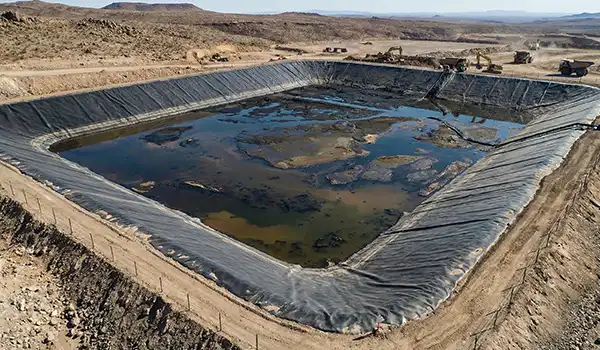
Why Geomembrane Withstands Hazardous Mining Waste
Have you ever wondered how mining companies manage their toxic waste so it doesn’t damage the surrounding environment, Petra friends? Mining produces high-value materials, but behind them comes something else: hazardous and toxic (B3) waste. This is where a hero called geomembrane comes into action. This lining material is like a shield protecting the earth […]

Geocell: Types and Functions Explained
Geocell has several functions you should know about when comparing geocell types and functions. The most useful is preventing landslides on ground surfaces located on slopes, which is very important for soil no longer covered by plants or large trees. Another function of geocell is stabilizing soft soil and increasing its bearing capacity, especially in […]

Coastal Erosion: Dangers and How to Prevent It
Hello, Petra friends! Have you ever noticed the shoreline in your area retreating day by day? Or perhaps you have seen seaside buildings that used to be far from the water’s edge now being eaten away by waves? This phenomenon is not just an ordinary sight, but a real sign of coastal erosion. For those […]